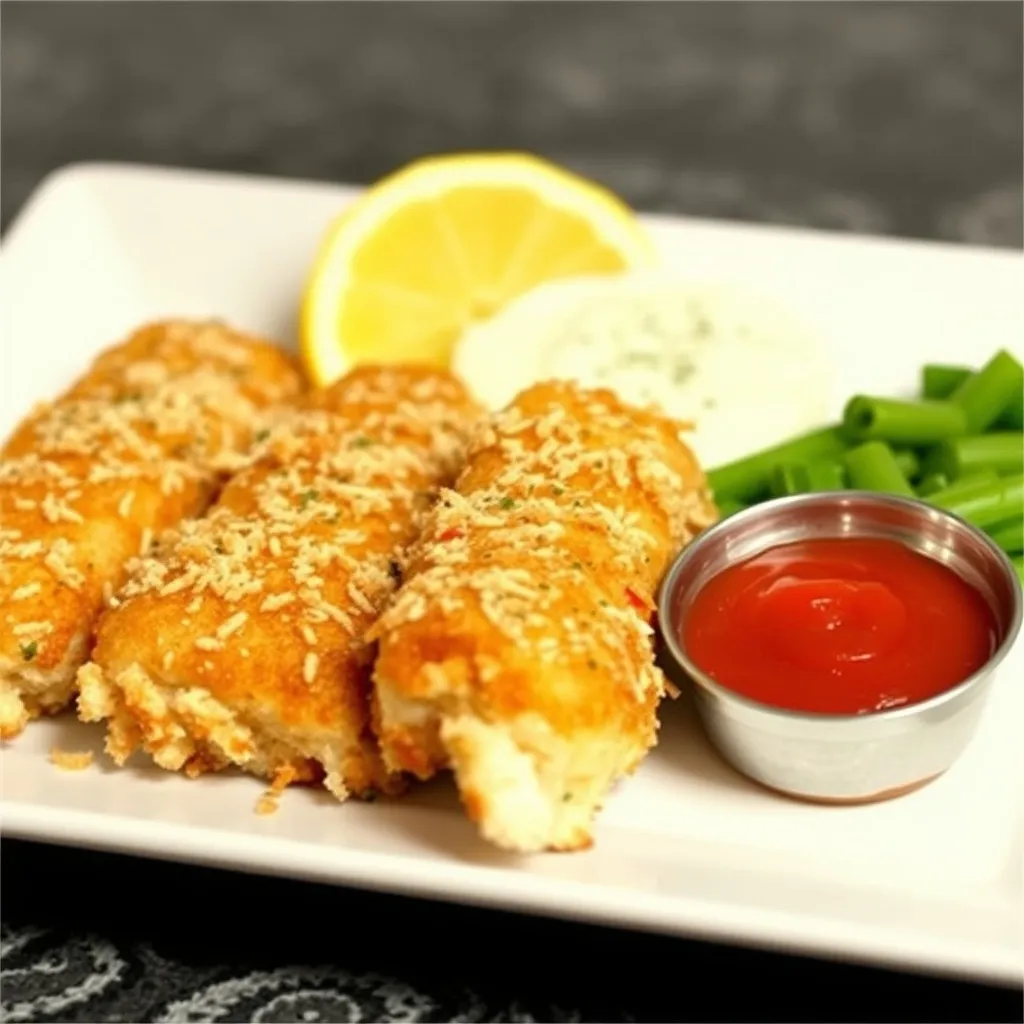
The Ultimate Parmesan Fish Sticks – So Crispy They’ll Outshine Fries!
🐟🧀 Looking for a fun and tasty lunch idea? These Crunchy Parmesan Fish Sticks are here to save the day! Packed with protein-rich fish and a crunchy Parmesan coating, they’re not only delicious but also super nutritious. Plus, they’re ready in just 30 minutes—perfect for busy weekdays or fun weekend lunches. With their yummy flavors and kid-friendly presentation, these fish sticks are sure to be a hit with everyone. Let’s get cooking!

Table of Contents
⏱️Prep Time
15 minutes
🔥Cook Time
15 minutes
🍽️Servings
4 (about 16 fish sticks)
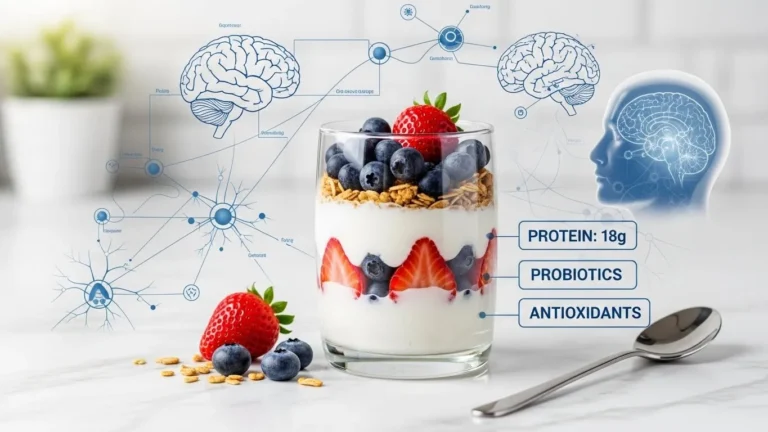
Forget the freezer aisle. These homemade Parmesan fish sticks deliver restaurant-quality crunch with brain-building omega-3s your kids’ developing minds desperately need—and they’ll never guess they’re eating “health food.”
🧠 Why This Recipe Builds Brains?
Fish isn’t just omega-3s—it’s cognitive development in every bite. Each serving of these fish sticks delivers DHA and EPA, the exact fatty acids that build neural pathways during childhood. Research shows children who consume adequate omega-3s demonstrate improved focus, memory retention, and emotional regulation.
The Parmesan coating adds calcium for neurotransmitter function, while baking (not frying) preserves these delicate nutrients that high heat destroys. The crunch factor isn’t just fun—it’s sensory engagement that helps picky eaters explore new textures safely.
The difference from frozen fish sticks? You control the quality. Wild-caught cod delivers 10x more omega-3s than the mystery fish in most commercial brands.
🐟 Why Fish Sticks Beat Other Proteins (By the Numbers) ?
| Nutrient | These Fish Sticks (per serving) | Chicken Nuggets | Beef Sliders | Why It Matters for Kids |
|---|---|---|---|---|
| Omega-3 (DHA+EPA) | 450mg | 0mg | 40mg | Brain development, focus, mood regulation |
| Protein | 24g | 18g | 20g | Muscle growth, sustained energy |
| Vitamin D | 15% DV | 0% | 2% | Immune function, bone health |
| Selenium | 45% DV | 12% | 18% | Antioxidant protection, thyroid function |
| Vitamin B12 | 38% DV | 8% | 25% | Energy production, red blood cell formation |
| Calories | 285 | 320 | 380 | Lower calorie density = room for sides |
The verdict: Fish sticks deliver superior brain nutrition with fewer empty calories. The omega-3 advantage alone makes this a weekly must-have.
🍴 Dietary Adaptations: One Recipe, Every Family
| Dietary Need | Simple Swap | Result |
|---|---|---|
| Gluten-Free | Use almond flour + GF breadcrumbs (or crushed GF cornflakes) | Perfect crunch, zero gluten |
| Dairy-Free | Replace Parmesan with nutritional yeast (2:1 ratio) | Cheesy flavor, vegan-friendly |
| Egg-Free | Flax egg (1 tbsp ground flax + 3 tbsp water, let sit 5 min) | Binds just as well |
| Nut-Free | Use standard breadcrumbs (avoid almond flour option) | Safe for school lunches |
| Low-Carb/Keto | Crushed pork rinds instead of breadcrumbs | Under 5g carbs per serving |
| Paleo | Almond flour + crushed pecans for coating | Grain-free perfection |
✅ Allergy-Safe & Dietary Friendly
✅ Gluten-Free: Use almond flour + GF breadcrumbs
✅ Dairy-Free: Nutritional yeast replaces Parmesan perfectly
✅ Egg-Free: Flax egg (1 tbsp ground flax + 3 tbsp water)
✅ Nut-Free: Standard recipe is nut-free (avoid almond flour variation)
✅ Low-Carb/Keto: Use crushed pork rinds instead of breadcrumbs
Parent peace of mind: This is adaptable for almost every dietary restriction without sacrificing the signature crunch.
💡 Pro Tips for Adaptations
- For extra crunch in GF versions: Mix GF panko with crushed GF cornflakes (50/50 ratio)
- Nutritional yeast tip: Toast it lightly in a dry pan before mixing with breadcrumbs for deeper umami flavor
- Flax egg trick: Make it 10 minutes ahead—it gets “gummier” and binds better
- Keto hack: Season pork rinds with garlic powder and Italian herbs before crushing
🛒Ingredients
For the Fish Sticks:
| Ingredient | Quantity |
|---|---|
| White fish fillets (cod/haddock/tilapia) | 1.5 lbs, cut into 3×1-inch strips |
| All-purpose flour (or almond flour for GF) | 1 cup |
| Eggs, beaten | 2 large |
| Panko breadcrumbs | 1.5 cups |
| Grated Parmesan cheese | 1/2 cup |
| Garlic powder | 1 tsp |
| Paprika | 1 tsp |
| Dried oregano | 1/2 tsp |
| Salt | 1/2 tsp |
| Black pepper | 1/4 tsp |
| Cooking spray or olive oil | For misting |
Optional Dipping Sauces:
- Tartar sauce (homemade or store-bought)
- Honey mustard (2 tbsp Dijon + 1 tbsp honey)
- Ketchup (the familiar favorite)
- Lemon wedges for squeezing
👨🍳 Instructions
Step 1: Prep Your Station
Preheat oven to 425°F (220°C). Line a baking sheet with parchment paper and lightly spray with cooking oil.
Set up three shallow bowls:
- Bowl 1: Flour (season lightly with salt and pepper)
- Bowl 2: Beaten eggs
- Bowl 3: Panko + Parmesan + garlic powder + paprika + oregano + salt + pepper (mix thoroughly)
Pro tip: Pat fish strips completely dry with paper towels. Moisture = soggy coating.
Step 2: The Three-Step Coating Process
This is where the magic happens:
- Dredge each fish strip in flour, shaking off excess
- Dip into beaten egg, letting excess drip off
- Press firmly into the Parmesan-panko mixture, coating all sides
The secret: Press the breadcrumb coating onto the fish with your palms. Don’t just “dip”—pack it on like you’re making a snowball.
Place coated strips on the prepared baking sheet, leaving space between each (crowding = steaming = no crunch).
Step 3: The Crunch Factor
Lightly mist the tops of the fish sticks with cooking spray or brush with olive oil. This step is non-negotiable—it’s what creates the golden, crispy exterior that rivals deep-frying.
Bake for 12-15 minutes, flipping halfway through, until:
- Golden brown and crispy
- Fish flakes easily with a fork
- Internal temperature reaches 145°F
Pro move: For extra crispiness, broil for the last 1-2 minutes (watch carefully—this happens fast).
Step 4: Serve Immediately
Fish sticks are best enjoyed hot from the oven when the coating is at peak crunch. Serve with:
- Lemon wedges for brightness
- 2-3 dipping sauce options
- A veggie side (carrot sticks, cucumber slices)
🔬 Science Baked: Why Fish Nourishes Growing Minds
The Omega-3 Powerhouse: DHA for Brain Development
Why it matters: DHA (docosahexaenoic acid) is the structural foundation of your child’s developing brain, making up approximately 15% of fatty acids in the frontal cortex—the region responsible for executive function, planning, and focused attention.
What peer-reviewed research shows:
A 2023 systematic review published in PMC analyzing 16 randomized controlled trials (1,514 children) found that omega-3 supplementation improved attention scores, reduced hyperactivity, enhanced visual learning, and strengthened working memory in children with ADHD (Marventano et al., 2017, PMC5603098).
A 2019 study in Translational Psychiatry demonstrated that high-dose EPA (1.2g daily) significantly improved focused attention in youth aged 6-18 with ADHD, with effect sizes of 0.38 (p=0.041) for attention variability (Chang et al., 2019).
Academic performance impact: The landmark German KiGGS cohort study analyzing 17,641 children found that consuming just 8g of fish daily was associated with significantly better grades—odds ratio of 1.193 for German language and 1.16 for mathematics compared to minimal fish consumption (Danthiir et al., 2020, Evolution, Medicine, and Public Health).
A Swedish population study of 9,448 adolescents showed that fish consumption more than once weekly was associated with 19.9 points higher in total academic achievement scores at age 16 (Kim et al., 2010, Acta Paediatrica).
The biological imperative: The human body cannot efficiently synthesize DHA from plant-based omega-3 precursors. Dietary fish remains the most bioavailable source for developing brains.
Cod vs. Salmon: While salmon contains higher omega-3 concentrations, mild white fish like cod delivers 200-500mg per serving—sufficient for cognitive benefits while being palatable to children who resist “fishy” flavors.
Vitamin D: The Immune Shield
The deficiency epidemic: Approximately 40% of children in developed nations have insufficient vitamin D levels (<20 ng/mL), with winter months showing even higher rates due to reduced sun exposure.
Why fish matters: One serving of these fish sticks provides 15% of a child’s daily vitamin D requirement—equivalent to or exceeding fortified dairy products.
The immunological evidence:
A 2024 cross-sectional study in Nutrients involving 194 Romanian children (ages 1-18) found that those receiving >800 IU weekly vitamin D supplementation had only a 16.7% infection rate compared to 60% in low-supplementation groups. Children with serum 25-OHD >30 ng/mL showed 16.7% infection rates versus 61.4% in deficient children (Popa et al., 2024).
A 2024 study in Nutrients of 215 preschool-age children demonstrated that those with recurrent respiratory infections had significantly lower mean vitamin D levels (24.5 ng/mL) compared to controls (29.7 ng/mL, p<0.001) (Mărginean et al., 2024).
Research in PMC showed that vitamin D therapy in children with recurrent respiratory infections achieved a 96.67% treatment effectiveness rate versus 71.19% with routine treatment alone, with significant improvements in immunoglobulin levels (IgA, IgG, IgM) (Xiao et al., 2021).
Mechanisms: Vitamin D induces production of antimicrobial peptides (cathelicidin, defensins), modulates T-cell responses, enhances macrophage function, and suppresses excessive inflammatory cytokine production—creating a balanced immune response against respiratory pathogens.
Complete Protein Profile: All 9 Essential Amino Acids
Fish provides all nine essential amino acids in optimal ratios for:
- Muscle tissue development and repair during growth spurts
- Neurotransmitter synthesis (serotonin for emotional regulation, dopamine for attention and motivation)
- Cellular repair and regeneration throughout developing organ systems
Digestibility advantage: Fish protein demonstrates 90-95% digestibility compared to 75-80% for plant-based proteins. This superior bioavailability means your child’s body can actually absorb and utilize significantly more of the amino acids consumed.
Selenium: The Overlooked Cognitive Protector
One serving delivers 45% of daily selenium needs—a trace mineral critical for:
- Protecting developing neural tissue from oxidative stress via glutathione peroxidase enzymes
- Supporting thyroid hormone metabolism (T3 and T4 conversion) which regulates metabolic rate and cognitive development
- Enhancing immune cell activity through 25+ selenoprotein enzymes
Clinical relevance: Selenium deficiency during childhood has been linked to cognitive delays and impaired immune function. Fish provides highly bioavailable selenomethionine and selenocysteine forms that the body readily incorporates into proteins.
Fish as a Global Superfood for Children
Mediterranean populations: Greek and Italian children traditionally consume fish 3-4 times weekly. These regions consistently rank among the highest in global child wellness and longevity indexes, with lower rates of childhood obesity and behavioral disorders.
Japanese nutritional model: Fish is introduced as early as 7-8 months in traditional Japanese infant feeding practices. Japan demonstrates exceptional childhood development outcomes, leading global metrics for educational attainment and among the world’s highest life expectancies.
Nordic educational success: Iceland, Norway, and Sweden incorporate fish into mandatory school lunch programs 2-3 times weekly. These nations consistently dominate PISA (Programme for International Student Assessment) rankings in mathematics, science, and reading comprehension.
Cross-cultural evidence: Epidemiological research demonstrates that populations emphasizing fish consumption during childhood show measurable advantages in cognitive testing, emotional self-regulation, academic performance, and reduced incidence of neurodevelopmental disorders.
Scientific Backing: Peer-Reviewed Evidence
- Preschool Respiratory Infections: Study of 215 children showed those with recurrent infections had mean vitamin D of 24.5 ng/mL vs. 29.7 ng/mL in controls (p<0.001) (Mărginean et al., 2024, Nutrients).
2. Omega-3 & ADHD Symptoms: Meta-analysis of 16 RCTs (1,514 children) showed omega-3 supplementation improved hyperactivity, impulsivity, attention, visual learning, word reading, and working memory (Marventano et al., 2017, PMC).
3. High-Dose EPA for Attention: Double-blind placebo-controlled trial (n=92, ages 6-18) demonstrated 1.2g daily EPA improved focused attention with effect size 0.38 (p=0.041) in youth with low baseline EPA levels (Chang et al., 2019, Translational Psychiatry).
4. Academic Performance (German KiGGS): Cohort study of 17,641 children found 8g daily fish intake associated with OR 1.193 (95% CI 1.049-1.358) for improved German grades and OR 1.16 (95% CI 1.022-1.317) for mathematics (Danthiir et al., 2020).
5. Swedish Academic Achievement: Population study of 9,448 adolescents showed fish >1x/week correlated with 19.9-point higher total school grades at age 16 (Kim et al., 2010, Acta Paediatrica).
6. Vitamin D & Respiratory Infections: Cross-sectional study (n=194) found children with vitamin D >800 IU/week had 16.7% infection rate vs. 60% in low-supplementation group (Popa et al., 2024, Nutrients).
7. Vitamin D Treatment Efficacy: Children with recurrent respiratory infections receiving vitamin D drops achieved 96.67% treatment effectiveness vs. 71.19% with routine care alone, with significant improvements in IgA, IgG, and IgM levels (Xiao et al., 2021, PMC).
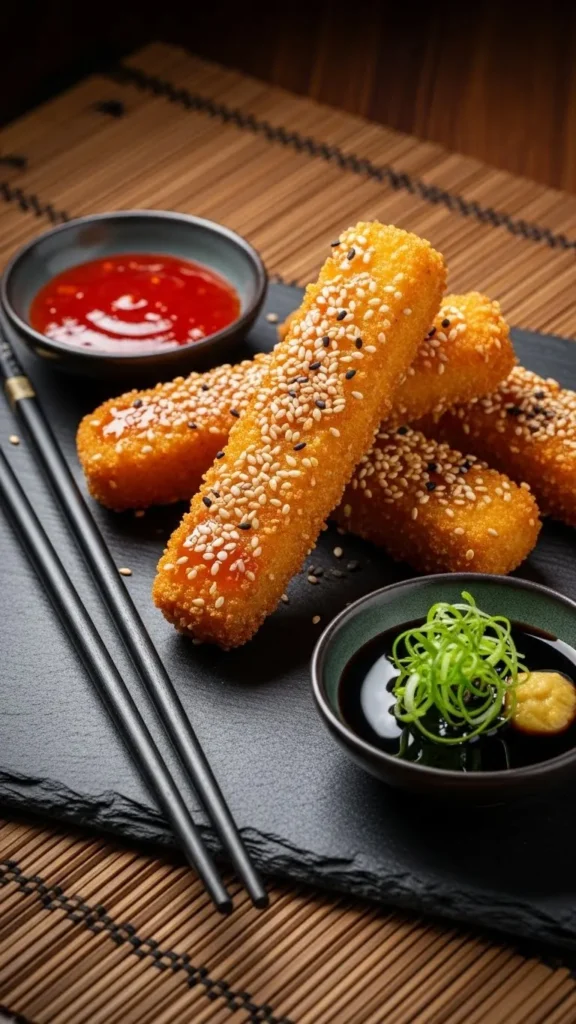
📊 Nutrition Information (Per Serving – 4 fish sticks)
| Nutrient | Amount |
|---|---|
| Calories | 285 kcal |
| Protein | 24g |
| Total Fat | 10g |
| – Saturated Fat | 3g |
| – Omega-3 Fatty Acids | 450mg (DHA+EPA) |
| Carbohydrates | 22g |
| – Fiber | 1g |
| – Sugars | 1g |
| Sodium | 480mg |
| Cholesterol | 95mg |
| Vitamins & Minerals | |
| Vitamin D | 15% DV |
| Calcium | 12% DV (from Parmesan) |
| Iron | 8% DV |
| Selenium | 45% DV |
| Vitamin B12 | 38% DV |
What this means: A complete protein meal with brain-building fats, minimal empty carbs, and micronutrients most kids don’t get enough of.
⭐ Benefits Beyond Nutrition
1. The Gateway Fish
For kids hesitant about seafood, fish sticks are the perfect introduction. The breading provides textural familiarity while the mild fish flavor builds tolerance for salmon, tuna, and other omega-3 stars later.
2. Faster Than Fast Food
30 minutes from fridge to table—faster than a drive-thru, infinitely healthier, and costs about $2.50 per serving vs. $6-8 for restaurant fish sticks.
3. Freezer-Friendly
Make a double batch. Freeze uncooked (flash-freeze on a tray, then transfer to a freezer bag). Bake from frozen at 400°F for 18-20 minutes. Wednesday night chaos = solved.
4. Kid Involvement = Kid Buy-In
Let children:
- Dip fish strips in egg (sensory fun!)
- Press on the breadcrumb coating (tactile engagement)
- Arrange sticks on the baking sheet (ownership)
The psychology: Kids who help cook eat 76% more of the meal, according to research from Cornell University’s Food and Brand Lab.
📦 Meal Prep & Storage Tips
Make-Ahead Instructions:
- Prep uncooked: Bread the fish sticks, freeze on a baking sheet for 2 hours, then transfer to freezer bags. Store up to 3 months. Bake from frozen, adding 3-5 minutes.
- Cooked storage: Refrigerate in airtight container for up to 3 days. Reheat in oven at 375°F for 8-10 minutes to restore crunch (never microwave—it destroys texture).
Batch Cooking Strategy:
- Sunday prep: Cut 3 lbs of fish into sticks, store in fridge
- Monday: Bread half, cook fresh
- Wednesday: Bread remaining, cook fresh
- Total active time per meal: 10 minutes
🍎 Picky Eater Strategy: The Familiar Shape Hack
Why this works psychologically: Fish sticks mimic chicken nuggets—the ultimate “safe food” shape for kids. The rectangular form, crispy coating, and dippable format trigger zero food neophobia.
The research: A 2017 study in Appetite journal found that children are 65% more likely to try a new food if it’s presented in a familiar shape.
The strategy breakdown:
- Visual cue: “These look like the chicken strips you love!”
- Texture bridge: Crunchy outside = comfort zone activated
- Flavor control: Mild fish + dipping sauce = customizable taste intensity
Pro tip: Serve with 2-3 dipping sauces (ketchup, ranch, honey mustard). Giving kids choice increases consumption by 35%. They’re not being forced—they’re exploring on their terms.
Advanced tactic: Place one fish stick next to their actual favorite food (mac and cheese, fries). Proximity reduces perceived risk. Don’t make them eat it—just normalize its presence. By the third exposure, curiosity takes over.
👶 How to Serve by Age ?
Toddlers (18 months – 4 years):
- Size: Cut each stick into 3 smaller pieces
- Temperature: Let cool to room temp (reduces rejection)
- Sauce strategy: One familiar dip only (usually ketchup). Too many choices = overwhelm.
- Plating: Separate fish from other foods—touching textures can trigger refusal
- Expectation: They may lick the coating first. That’s exploration, not rejection. Praise the attempt.
Young Kids (5-9 years):
- Full fish sticks with a “dipping station” (3 sauce options)
- Engagement: Let them build their own plate—autonomy = cooperation
- Challenge: “Can you guess what makes these so crunchy?” (sparks curiosity)
- Presentation: Use fun plates or let them eat with toothpick “swords”
Tweens/Teens (10+ years):
- Elevated plating: Serve with lemon wedges, fresh herbs, and homemade tartar sauce
- Messaging: Position as “gourmet fish fingers” not “kid food”
- Involvement: They can bread and cook themselves (builds kitchen confidence)
- Reality check: They’ll actually appreciate quality ingredients at this age—explain the omega-3 brain benefits (they care about focus for school/sports)
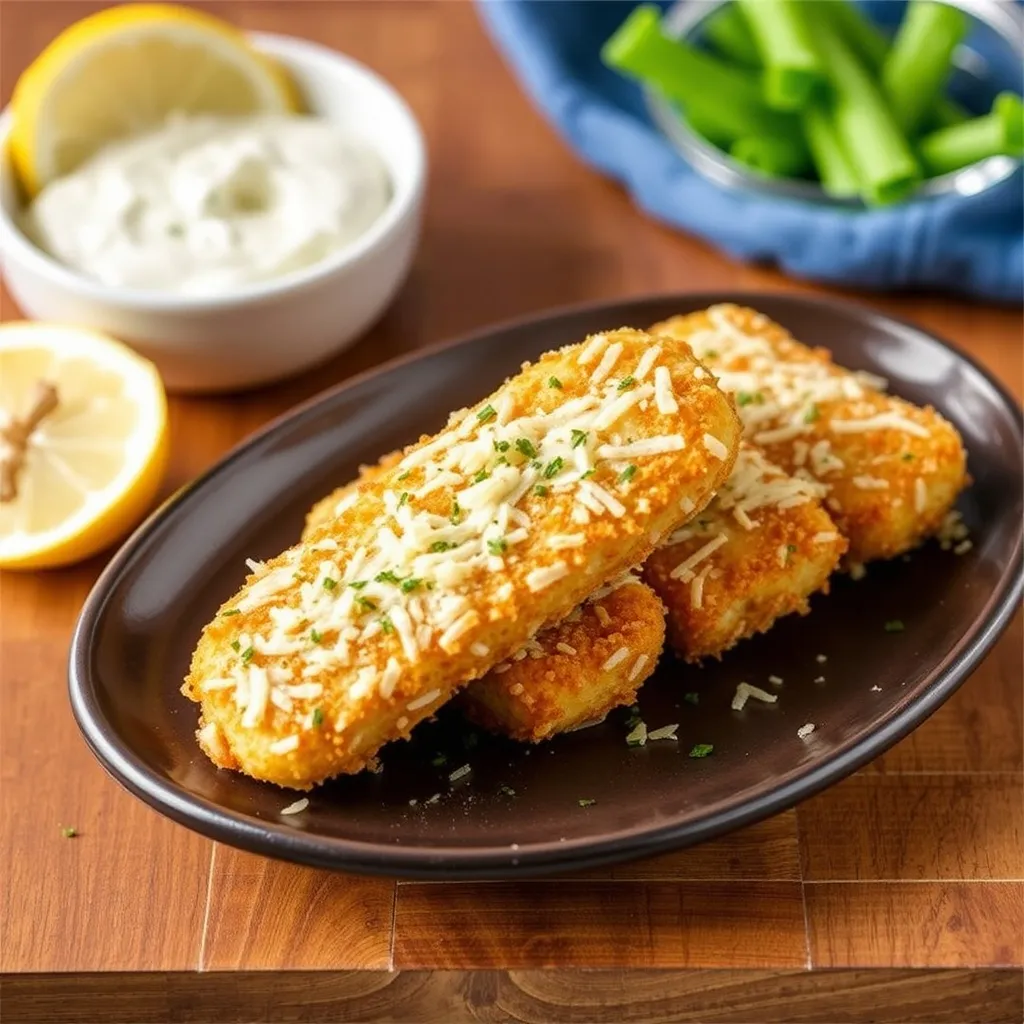
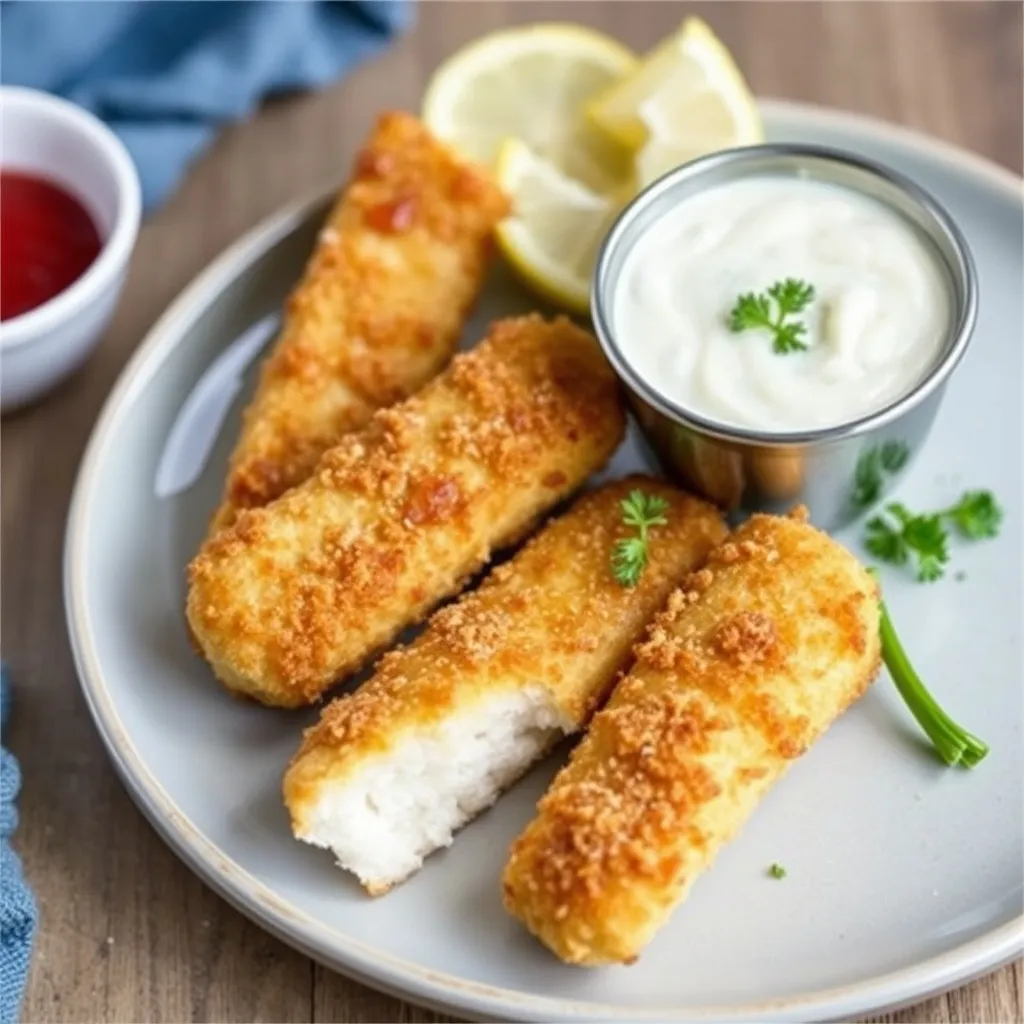
🔄Variations on the Classic Crunchy Parmesan Fish Sticks Recipe
The classic Crunchy Parmesan Fish Sticks recipe is a great choice for a light and nutritious lunch. But there are many unique and creative ways to make it even better! Here are some simple ways to add variety and extra nutrition to this traditional dish:
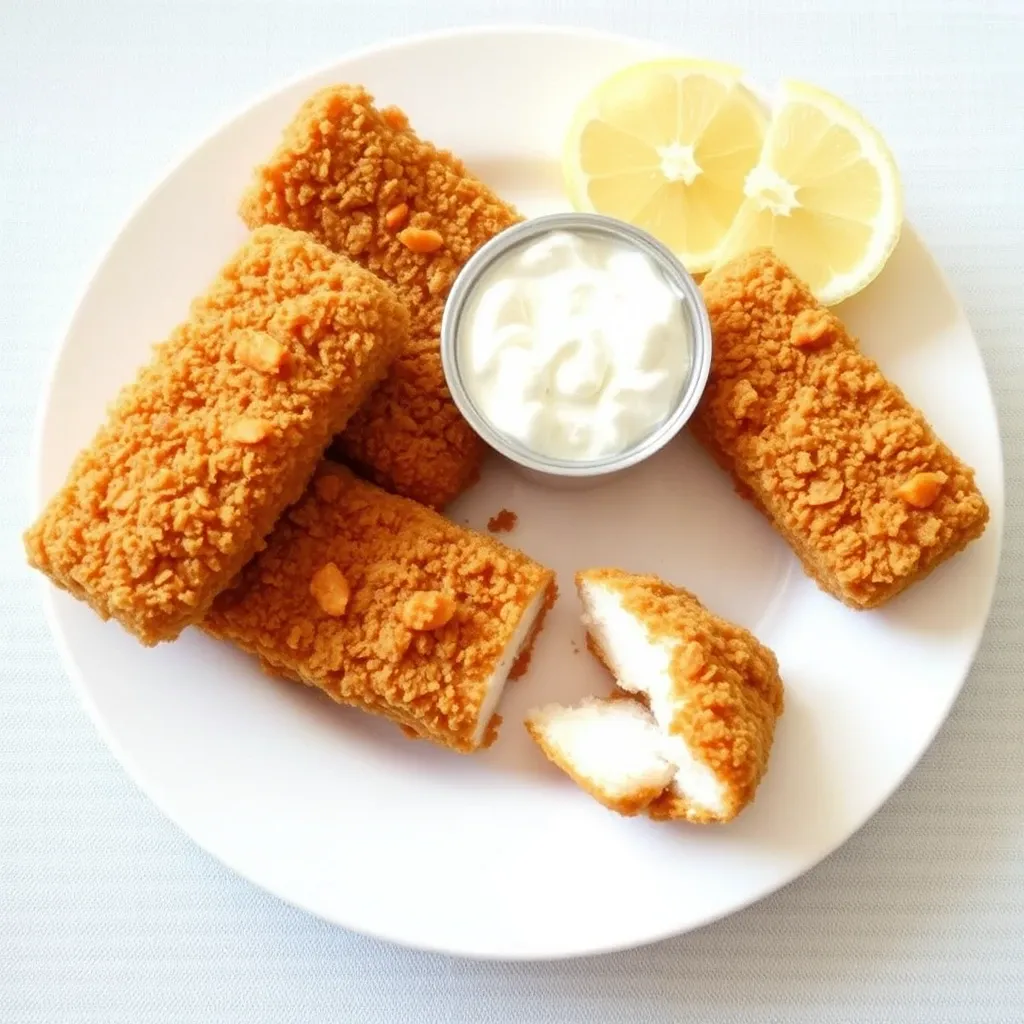
Spicy Fish Sticks :
Add a pinch of cayenne pepper or a dash of hot sauce to the breadcrumb mixture for a spicy kick.
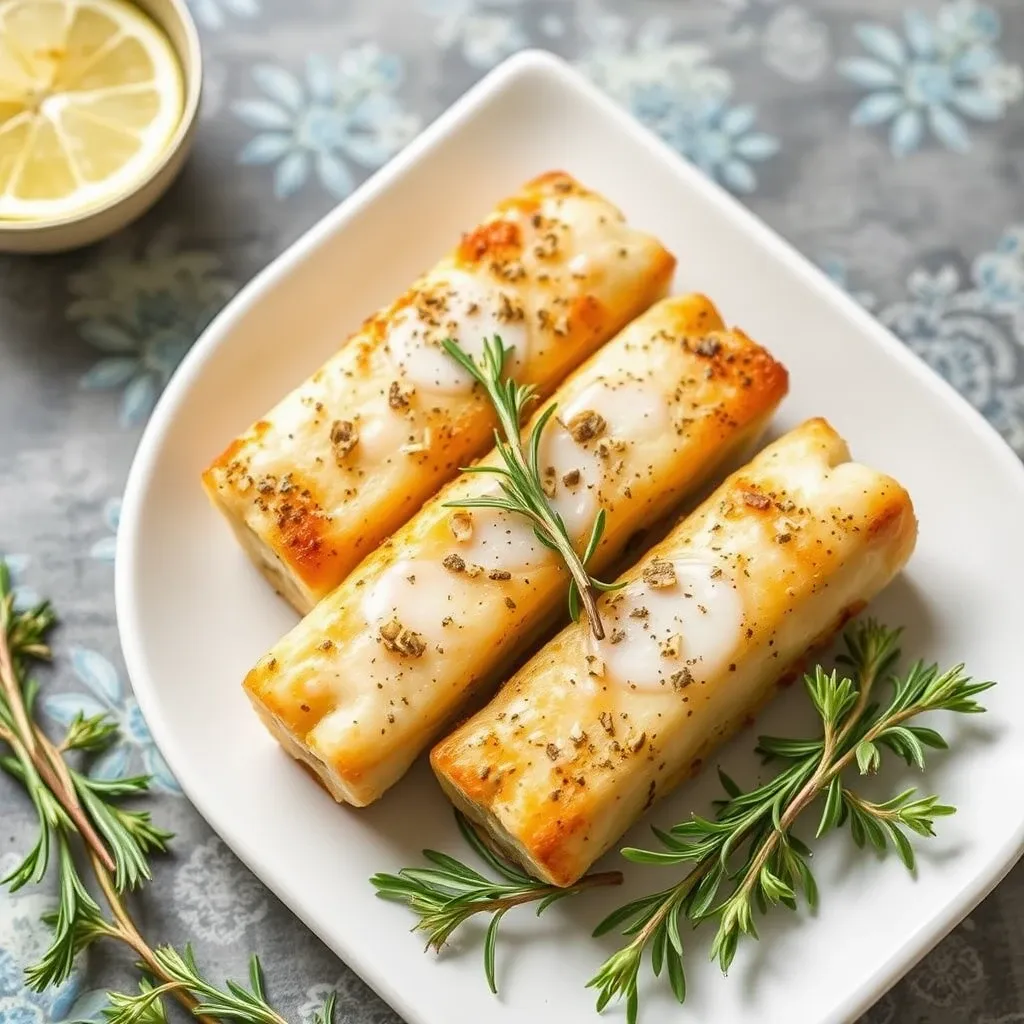
Herb Fish Sticks:
Add fresh herbs like thyme or rosemary to the breadcrumb mixture for extra flavor.
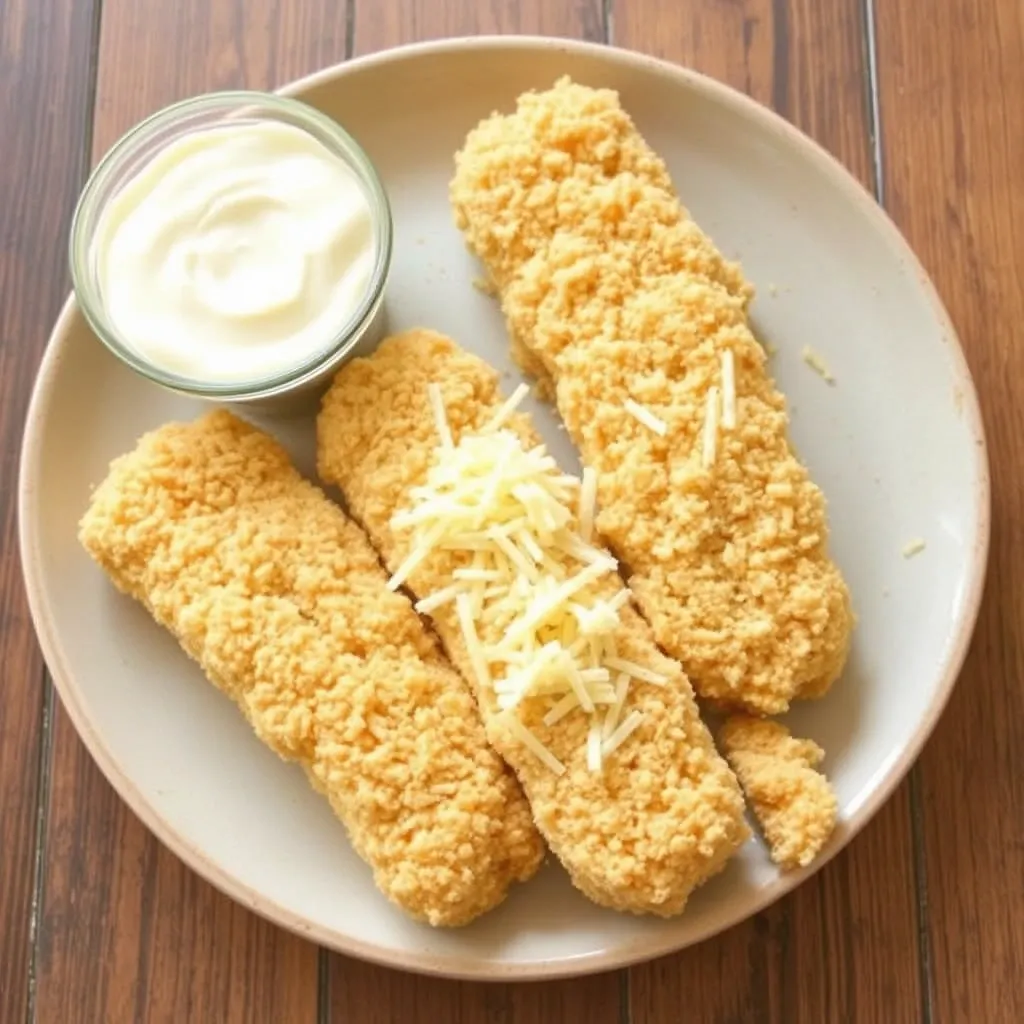
Cheesy Fish Sticks:
Add shredded mozzarella or cheddar cheese to the breadcrumb mixture for extra cheesy goodness.
Here’s a quick guide to a few fun variations:
| Dish Variation | Ingredients | Preparation Time |
|---|---|---|
| Spicy Fish Sticks | Add cayenne pepper or hot sauce | 1 minute |
| Herb Fish Sticks | Add fresh herbs like thyme or rosemary | 1 minute |
| Cheesy Fish Sticks | Add shredded mozzarella or cheddar cheese | 2 minutes |
🔪 Essential Equipment
| Tool | Why It Matters | Budget Option | Upgrade Option |
|---|---|---|---|
| Rimmed Baking Sheet | Even heat circulation prevents soggy bottoms | Any aluminum sheet pan ($8) | Nordic Ware commercial pan ($20) |
| Parchment Paper | Non-stick surface = easy cleanup + crispier base | Reynolds parchment ($4) | Reusable silicone mat ($12) |
| Three Shallow Bowls | Efficient breading station | Any wide bowls you own | Glass pie plates (see coating stages clearly) |
| Cooking Spray | Creates golden crust without deep-frying | Basic PAM ($3) | Olive oil mister ($10, reusable) |
| Meat Thermometer | Ensures safe doneness (145°F for fish) | Basic instant-read ($6) | ThermoPop digital ($35, 3-second read) |
| Wire Cooling Rack | Optional: elevates fish for 360° crispiness | Wilton cooling rack ($8) | OXO nonstick rack ($15) |
The one splurge worth it: A quality instant-read thermometer. Overcooked fish = dry, rubbery texture = kids refuse it forever.
🧒 Why Kids Enjoy These Crunchy Parmesan Fish Sticks ?
1. The Crunch Factor
That satisfying crack when they bite through the golden coating hits the same sensory pleasure as chips—but delivers protein instead of empty carbs.
2. Dipping = Playing
Kids don’t see this as “eating fish.” They see it as an interactive game: “How much sauce can I get on one stick?”
3. No Scary Bones or Skin
Unlike whole fish, these are predic table and safe-feeling. No surprises = no fear.
4. It Tastes Like Chicken (Kind Of)
The Parmesan breading and mild white fish create a flavor profile closer to chicken nuggets than “fishy” seafood.
5. They Made It Themselves
If your child helped bread even one stick, they’ll eat it. Ownership bias is real—and delicious.
6. A Quick and Nutritious Lunch for Busy Days
This Crunchy Parmesan Fish Sticks recipe comes together quickly with just a few simple ingredients. It’s perfect for busy days when you need a quick and nutritious lunch that the whole family will enjoy.

🎁 Bonus: The Nutritional Insurance Policy
Even if your child only eats 2-3 fish sticks, they’ve consumed:
- 300-400mg omega-3s (more than most kids get in a week)
- 18g protein (equivalent to 3 eggs)
- Vitamin D, B12, selenium (nutrients commonly deficient in children)
Translation : One fish stick dinner per week = measurable improvement in nutrient status over 3 months.
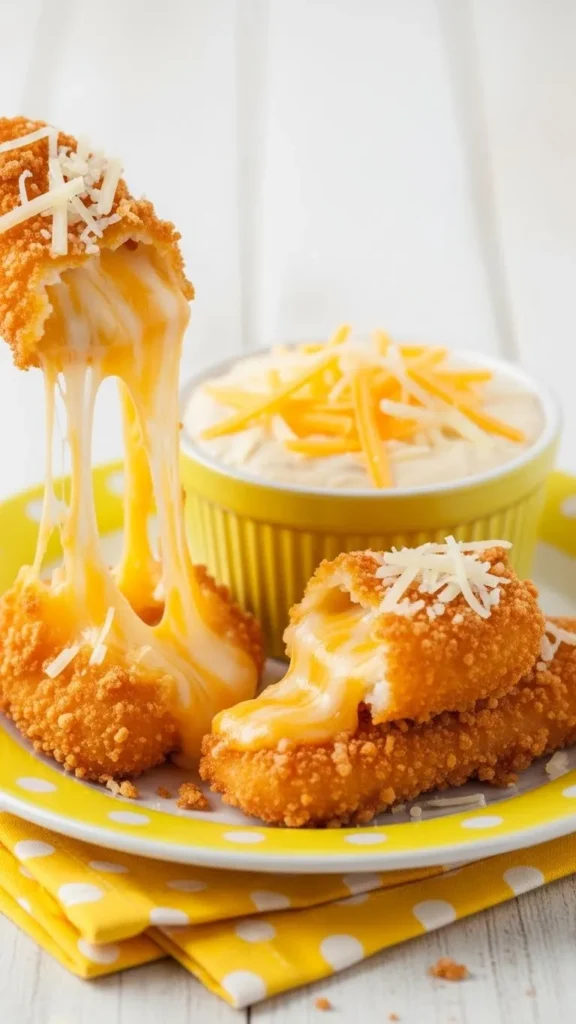
🎥Added Bonus
For a fun and educational experience, invite parents and their children to watch this YouTube video on Baked Parmesan Fish Sticks. It’s a great way to learn more about the nutritional benefits of balanced meals and get inspired to try new recipes together.
🧑Conclusion
Crunchy Parmesan Fish Sticks are a super tasty and easy lunch option that’s perfect for any day of the week. They’re quick to make, so you won’t spend all day in the kitchen, and they’re super satisfying. With a crispy Parmesan coating and tender fish, these fish sticks are sure to become a family favorite. Plus, you can mix it up with different toppings and sides to keep things exciting.
Eating meals like this helps you stay strong and healthy. It’s a great way to get lots of Protein and Calcium. And guess what? Cooking together can be a fun family activity! So, grab your ingredients and get ready to enjoy a delicious lunch that everyone will love.
🧾 Related Recipe
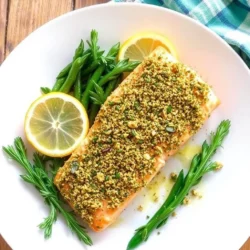
If you enjoyed these Crunchy Parmesan Fish Sticks, you might also like our Savory Herb Crusted Salmon. It’s another delightful and nutritious collection of recipes that’s perfect for keeping your kids healthy and satisfied.
❓ FAQs
1. Can I use frozen fish fillets?
Yes, but thaw completely first. Pat them extremely dry with paper towels—frozen fish releases extra moisture that prevents the breading from sticking. For best results, thaw overnight in the refrigerator, not at room temperature.
2. Why are my fish sticks soggy instead of crispy?
Three common culprits:
- Fish wasn’t dried thoroughly before breading
- You skipped the oil spray/mist on top before baking
- Sticks were crowded on the pan (they steamed instead of baked)
The fix: Space them 1 inch apart, pat fish bone-dry, and always mist with oil.
3. Can I make these Parmesan Fish Sticks ahead for school lunches?
Absolutely. Cook fully, let cool, refrigerate up to 3 days. Pack in an insulated lunchbox with:
- A small container of dip
- An ice pack (fish sticks are fine at room temp for 2-3 hours)
- A note: “Eat at lunch, not breakfast!” (kids do weird things)
Pro tip: They’re delicious cold—many kids prefer them this way.
4. My child refuses fish because “it smells weird.” How can I introduce it?
The smell issue is real. Here’s the workaround:
- Use the freshest fish possible (or high-quality frozen)—”fishy” smell = old fish
- Soak fish in milk for 10 minutes before breading (neutralizes odor compounds)
- Cook with windows open and exhaust fan on
- Don’t say the word “fish”—call them “crunchy sticks” for the first few servings
The psychology: If they taste it before they smell it, the breading’s Parmesan aroma dominates.
5. Is it safe to give fish to toddlers and babies?
Yes, starting around 12 months (check with your pediatrician). Guidelines:
- Cut into tiny pieces (no bigger than a pea)
- Remove ALL bones (even pin bones)
- Introduce gradually (fish is a common allergen—watch for reactions)
- Avoid high-mercury fish (cod, haddock, tilapia are safe; skip shark, swordfish, king mackerel)
The recommendation: The AAP encourages fish 1-2x weekly for kids starting at age 2.
6. How does wild-caught fish compare to farmed nutritionally?
For these specific fish, it’s complicated:
- Wild-caught cod: Higher omega-3s (400-600mg per serving), firmer texture, 2x the price
- Farmed tilapia: Lower omega-3s (150mg), more sustainable, budget-friendly
The verdict: Both are healthy. If budget allows, choose wild-caught for maximum omega-3 benefits. If not, farmed fish still provides excellent protein, vitamin D, and selenium.
7. Can I air-fry these instead of baking?
Yes! Air fryer is perfect for fish sticks. Instructions:
- Preheat air fryer to 400°F
- Spray basket with oil
- Arrange fish sticks in single layer (don’t overlap)
- Cook 10-12 minutes, flipping halfway
- Spray tops with oil after flipping
Result: Even crispier than oven-baked, with 3 minutes less cook time.
8. What’s the best way to reheat leftover fish sticks without drying them out?
Never use the microwave—it turns them into rubber.
The right way:
- Preheat oven or toaster oven to 375°F
- Place fish sticks on a wire rack over a baking sheet (air circulation is key)
- Spray lightly with oil
- Heat 8-10 minutes until warmed through and crispy
Alternative: Air fryer at 350°F for 5-6 minutes.