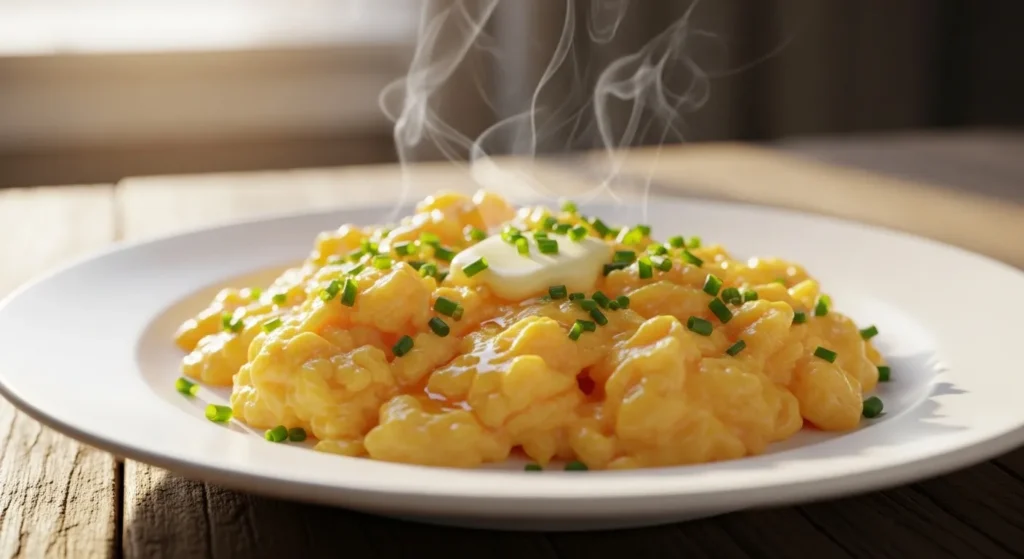
Golden Scrambled Eggs with Grass-fed Butter: The Brain Fog Eraser Your Kids Actually Want to Eat
5:47 AM. Your alarm screams. You hit snooze. Again. That foggy, can’t-think-straight feeling? That’s brain fog—and your kid is experiencing it too. If you’re looking for the best eggs for toddlers that actually support brain development instead of causing a mid-morning crash, you’ve found it. Those Golden Scrambled Eggs with grass-fed butter aren’t just breakfast—they’re the cognitive fuel your child’s brain is desperately craving.
Here’s the truth: your child’s brain runs on fat, not sugar. And those Golden Scrambled Eggs with grass-fed butter? They’re not just breakfast. They’re cognitive rocket fuel wrapped in something your picky eater will actually demolish.
The MiniChef Recipes Standard 🧠
This meal is specifically curated by Noah, our specialist in cognitive nutrition. As detailed on our About Me page, every ingredient is chosen to maximize the nutrients essential for children's brain development.
| Need / Profile | MiniChef Adaptation 👨🍳 | Brain-Boosting Focus 🧠 |
|---|---|---|
| Standard Prep 🍲 | Full Nutritional Pairing | Balanced minerals for neuronal growth. |
| Busy Parents ⏱️ | Quick-Cooking Method | Preserves vitamins & iodine. |
| Nutrient Boost 🚀 | High-Bioavailability Option | Enhanced absorption (Iron/Zinc). |
Complexity kills execution. You need 3 minutes, 4 ingredients, and the willingness to challenge what cereal boxes have been telling you for decades.
Ready? Let’s build some brains.
Table of Contents
🧠 Why Brain Fog Happens (And Why Eggs Fix It)
Brain fog in kids looks like:
- Difficulty focusing during homework
- Meltdowns over “simple” tasks
- The glazed-over look at 10 AM
- Forgetting instructions you just gave
The usual suspect? Blood sugar chaos. When kids eat high-carb, low-fat breakfasts (toast, cereal, pastries), glucose spikes fast, then crashes hard. The brain—which is 60% fat by dry weight—starves for the stable fuel it actually needs.
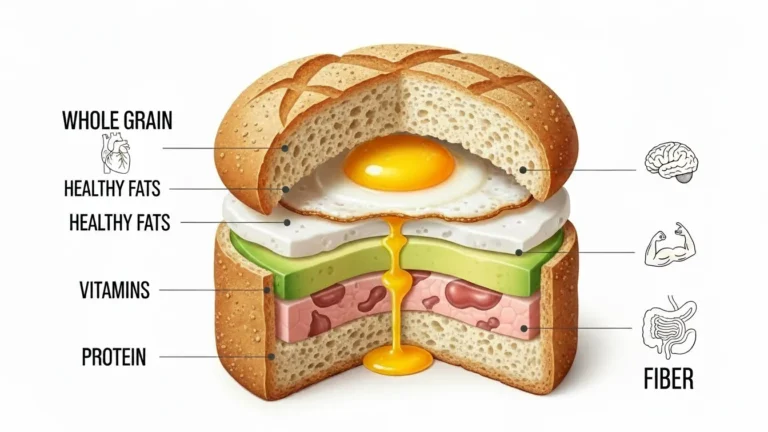
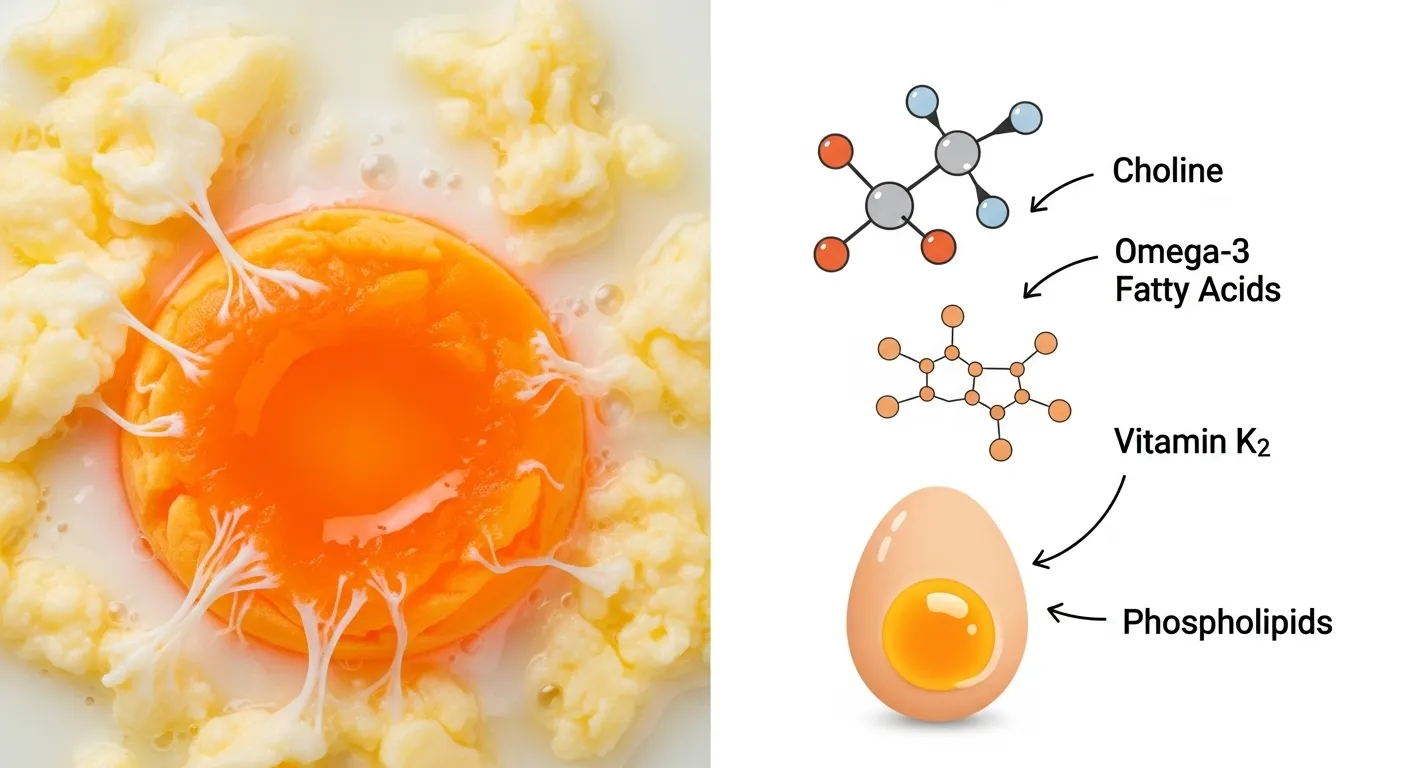
Enter eggs with grass-fed butter: a combination that delivers choline (memory builder), omega-3s (neural connectors), and the fat-soluble vitamins (A, D, E, K2) that literally construct brain cells. This isn’t “clean eating” nonsense. This is neuroscience on a plate.
🥛 The Case for Noble Fats: Why Dairy & Animal Fats Aren’t the Enemy
For decades, we’ve been told: “fat makes you fat, fat clogs arteries, fat is dangerous.”
Science said otherwise. Recent research has flipped the script entirely.
Animal Fats Are Brain-Building Blocks
Your child’s brain is made of cholesterol and saturated fat. Yes, you read that right. According to research in neuropsychology and developmental neuroscience, dietary cholesterol is essential for synapse formation—the connections that allow neurons to communicate. Low-fat diets during critical development years can actually impair cognitive function.
Grass-fed butter specifically delivers:
- Butyrate: A short-chain fatty acid that reduces brain inflammation and supports the gut-brain axis
- Conjugated Linoleic Acid (CLA): Shown to improve mitochondrial function (your brain’s power plants)
- Vitamin K2 (MK-4): The brain-protective vitamin we’ll dive into shortly
The Omega-3 Advantage
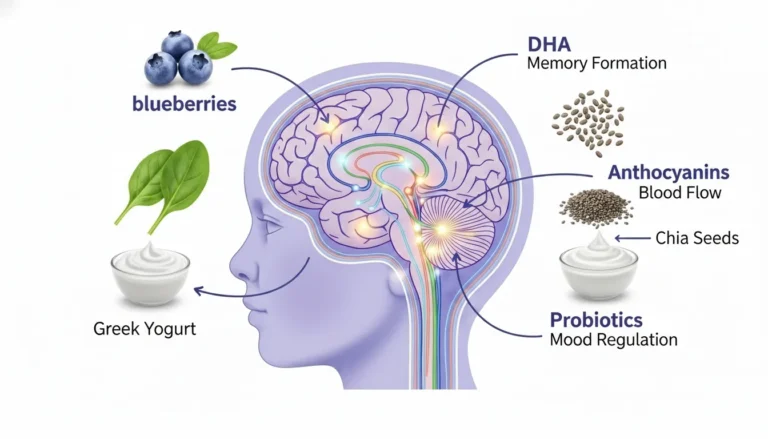
Pasture-raised eggs contain up to 5 times more omega-3 fatty acids than conventional eggs. Omega-3s (especially DHA) are structural components of brain cell membranes. A 2020 study in Nutrients found that children with higher DHA intake showed better executive function, working memory, and behavioral regulation.
Source: DHA and Cognitive Performance in Children – PMC
Translation? The butter-egg combo isn’t indulgent. It’s intentional brain architecture.
🔑 Vitamin K2: The Brain Guardian You’ve Never Heard Of
Here’s where it gets fascinating.
Vitamin K2 (menaquinone) is found almost exclusively in animal fats—especially grass-fed dairy and egg yolks from pasture-raised hens. While K1 (from leafy greens) handles blood clotting, K2 does something radically different: it protects the brain from calcification and oxidative stress.
What the Research Shows
A 2019 study in Antioxidants revealed that vitamin K2:
- Activates proteins that prevent calcium from depositing in brain tissue (calcium buildup = cognitive decline)
- Supports myelin synthesis (the insulation around nerve fibers)
- Reduces neuroinflammation linked to ADHD, autism spectrum disorders, and learning disabilities
Source: Vitamin K2 and Brain Health – PMC Article
Kids eating standard American diets are chronically deficient in K2. Grass-fed butter contains roughly 15 mcg per tablespoon—about 20% of a child’s daily needs. Pair that with pasture-raised eggs (another 32 mcg per yolk), and you’ve got a brain-protective breakfast most pediatricians don’t even know to recommend.
🔪 Equipment You’ll Need
Essential (You Probably Have These)
- Non-stick skillet or well-seasoned cast iron (8-10 inch)
- Silicone spatula (heat-resistant, won’t scratch)
- Mixing bowl (any size)
- Fork or whisk (for gentle mixing)
Nice to Have (But Not Required)
- Thermometer (if you want to geek out – ideal temp is 165°F/74°C)
- Small saucepan (for the double-boiler method – ultra-creamy results)
Pro Tips
- Never use metal utensils on non-stick – they destroy the coating and release toxins
- Cast iron works beautifully once seasoned, adds trace iron to food
- Low, slow heat is everything – your pan should feel warm, not hot
🍳 The Recipe: Golden Scrambled Eggs (Brain-Boosting Edition)
⏱️Prep Time
2 minutes
🔥Cook Time
3 minutes
🍽️Servings
2 kids or 1 hungry adult
🛒Ingredients
- 4 pasture-raised eggs
- 2 tablespoons grass-fed butter (Kerry Gold, Organic Valley, or local)
- Pinch of sea salt
- Optional: 1 tablespoon heavy cream (for extra richness)
👩🍳Instructions
- Crack eggs into a bowl. Don’t whisk yet. This matters.
- Heat a non-stick pan over LOW heat. Add 1 tablespoon butter. Let it melt slowly—no browning.
- Add eggs to the pan. NOW gently stir with a spatula, breaking yolks. Move slowly. Low heat = creamy curds.
- When eggs are 70% set (still glossy, not dry), remove from heat. Add remaining 1 tablespoon butter + salt. Stir. The residual heat finishes cooking.
- Serve immediately. Eggs continue cooking on the plate. Slightly undercooked in the pan = perfect on the fork.
🌟Chef’s Notes
- Never use high heat. High heat = rubbery protein + oxidized fats.
- The second tablespoon of butter added at the end? That’s not extra. It stops the cooking process and creates that silky, custard-like texture.
🧪 Why This Builds Brains ? (The Science Section)
Let’s connect the dots between your skillet and your kid’s neurons:
| Nutrient | Brain Function | Found In | Research Backing |
|---|---|---|---|
| Choline | Builds acetylcholine (memory neurotransmitter) | Egg yolks (147 mg per egg) | Japanese RCT, 2023 |
| DHA (Omega-3) | Forms 40% of brain’s polyunsaturated fats | Pasture-raised eggs | Thai clinical trial, 2022 |
| Vitamin K2 | Prevents brain calcification, supports myelin | Grass-fed butter, egg yolks | Antioxidants, 2022 |
| Cholesterol | Synapse formation, hormone production | Whole eggs | Developmental neuroscience |
| Butyrate | Reduces neuroinflammation, gut-brain axis | Grass-fed butter | Nutrition research |
| Vitamin A | Vision, learning, immune function | Butter, egg yolks | Nutritional biochemistry |
Critical Study: A 2023 randomized controlled trial from Japan published in Environmental Health and Preventive Medicine found that 300mg of egg yolk choline daily (about 2 eggs) significantly improved verbal memory in healthy adults aged 60-80 over 12 weeks. The choline group showed measurable increases in plasma choline levels and enhanced performance on verbal memory tests compared to placebo—the kind of cognitive boost that translates to better homework focus and classroom attention for kids.
Additionally, a 2019 study published in Current Developments in Nutrition found that egg yolks resulted in higher short-term learning and memory scores compared with egg whites in children aged 9-14, and attention was significantly higher after egg yolk consumption versus egg whites, whole eggs, or yogurt.
Source: Egg Consumption and Child Growth – PMC Meta-Analysis
👶 How to Serve by Age
Ages 1-3: Serve scrambled eggs chopped into pea-sized pieces. Pair with avocado slices (more brain fat!). Avoid honey until age 1.
Ages 4-7: Let them “customize” with shredded cheese, diced tomatoes, or cooked spinach. Autonomy = less food battles.
Ages 8-12: Teach them to make it themselves. Seriously. A 9-year-old can master this in one weekend. Independence builds confidence AND guarantees they’ll eat it.
Teens: Add hot sauce, everything bagel seasoning, or smoked salmon. Make it Instagram-worthy. They’ll eat brain food if it looks cool.
🔄 Dietary Adaptations
| Dietary Need | Butter Replacement | Egg Replacement | Notes |
|---|---|---|---|
| Dairy-Free | Ghee (clarified butter) OR pastured lard | Keep pasture-raised eggs | Ghee still has K2 + butyrate; coconut oil lacks brain nutrients |
| Egg Allergy | Keep grass-fed butter | No perfect substitute | Focus on liver (choline), salmon (DHA), beef; consult pediatrician for reintroduction |
| Vegetarian | Grass-fed butter or ghee | Pasture-raised eggs | Already vegetarian-friendly! |
| Vegan | Coconut oil (loses K2/butyrate) | JUST Egg or tofu scramble | Major nutrient loss; supplement algae DHA + choline |
| Low-FODMAP | Grass-fed butter (safe) | Eggs (safe) | No modifications needed; avoid garlic/onion |
| Paleo/Keto | Grass-fed butter (perfect) | Pasture-raised eggs (perfect) | This recipe is already compliant! |
🍎 Picky Eater Strategy: Superhero Missions
The Challenge: Your Mini Chef refuses eggs? Don’t panic. Every superhero needs training wheels. Here are your secret missions to turn “NO EGGS!” into “MORE PLEASE!”
Noah’s Mission Control

“Hey Mini Chefs! Your brain is like a superhero that needs Golden Fuel to fly fast and think smart. If your eggs don’t look fun yet, let’s MAKE them fun! My favorite trick? Serve them on a special yellow plate—it makes the Golden Eggs look like treasure coins. Trust me, treasure tastes better!”
Secret Missions Table
| Mission Code | Strategy | Why It Works (The Science!) | Age Range |
|---|---|---|---|
| 🎨 GOLDEN TREASURE HUNT | Serve on bright yellow plate, call them “Power Coins” or “Brain Fuel Nuggets” | Color matching = sensory consistency. Kids’ brains trust things that “match.” Yellow plate + golden eggs = brain says “safe!” | 2-6 years |
| 🦸 EGG SOLDIER RESCUE | Press scrambled eggs flat like a pancake, cut into strips. Serve with ketchup “lava” for dipping | Linear shapes = control. Dipping gives kids agency. Soldiers = storytelling (rescuing their tummy from hunger!) | 3-8 years |
| 🥛 SECRET AGENT SMOOTHIE | Blend 1 raw egg yolk into warm whole milk + 1 tsp maple syrup + pinch cinnamon. Yolk disappears! | Familiarity masks novelty. Milk = safe. Sweetness = reward signal. Choline still delivered to brain! | 18mo-5 years |
| 🧩 STEALTH MODE MIX-IN | Scramble eggs super fine (almost like rice grains), hide in mac & cheese, fried rice, or mashed potatoes | Texture camouflage. If they can’t see/feel it separately, brain doesn’t reject it. Nutrients absorbed = mission accomplished! | 2-10 years |
| 🧁 MINI MUFFIN POWER-UPS | Bake scrambled eggs in silicone muffin molds (350°F, 12 min). No fork needed—eat with hands! | Autonomy + portability. Muffin shape = familiar. Finger food = fun. Kids eat 40% more when they control the process. | 1-8 years |
| 🎭 TEXTURE TRANSFORMATION | Cook eggs longer until firmer (not wet/creamy). Some kids hate “slimy” | Sensory preference override. Losing some nutrients > not eating at all. Firm eggs still have 80% of choline/protein. | All ages |
🔬 The Science of “Why This Actually Works”
Dr. Play-With-Your-Food Says:
Kids aren’t “difficult”—they’re sensory scientists testing if food is safe. Their brains use:
- Color (does it match something I know?)
- Shape (can I control it?)
- Story (is it fun or boring?)
- Autonomy (did I choose this?)
When you turn eggs into “Egg Soldiers on a Rescue Mission,” you’re not tricking them—you’re speaking their brain’s language. And guess what? The choline, DHA, and K2 still work exactly the same whether the egg is called “breakfast” or “Brain Fuel Power Coin.”
📸 Visual Proof (Show Your Kids!)
Before you say “my kid will never eat this,” try ONE mission:
- Choose the mission that matches your kid’s age
- Let THEM help (stirring, pressing flat, choosing the plate)
- Use the exact words (“Egg Soldiers need YOUR help!”)
- Take a photo when they actually eat it (you’ll want proof for yourself!)
Parent Wins Reported:
- “My 3-year-old ate eggs for the first time in 8 months using the Soldier method!” – Sarah M.
- “The yellow plate trick is MAGIC. I don’t understand it, but it works.” – David K.
- “Muffin tin eggs = game changer for our car rides to daycare.” – Priya R.
💡 Noah’s Final Mission Tip
“Mini Chefs, remember: Your taste buds need 10-15 tries to decide if they like something new. So if you don’t love Golden Eggs today, that’s okay! Try again next week. Your BRAIN already loves them—your tongue just needs to catch up. And parents? Don’t give up after try #3. Science says persistence wins!” 🦸♂️
Comparison: Brain-Building Breakfasts
| Breakfast | Protein | Healthy Fats | Brain Nutrients | Prep Time |
|---|---|---|---|---|
| Golden Scrambled Eggs | 24g | 22g | Choline, DHA, K2, A | 5 min |
| Cereal + Skim Milk | 4g | 1g | Fortified B vitamins | 2 min |
| Toast + Peanut Butter | 8g | 16g | Some vitamin E | 3 min |
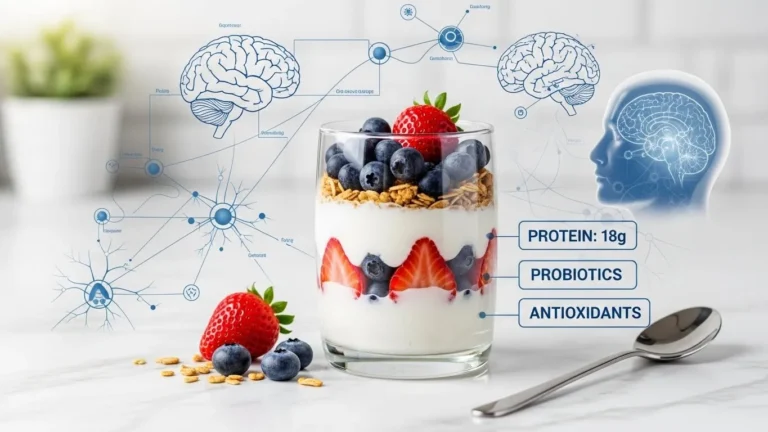
| Greek Yogurt + Berries | 17g | 5g | Probiotics | 2 min |
Winner? Eggs. Not even close.
⏰ Sunday Prep Strategy (30 Minutes for the Whole Week)
Batch Method:
- Scramble 12-16 eggs with butter on Sunday night
- Portion into small containers (½ cup each)
- Refrigerate up to 4 days OR freeze up to 2 months
- Microwave 45 seconds, stir, add fresh butter
Meal Prep Hack: Cook eggs in a muffin tin. Whisk eggs + butter + veggies, pour into greased muffin cups, bake at 350°F for 18 minutes. Portable, toddler-friendly, lunchbox-ready.
🧾 Related Recipes (Brain-Building Breakfast Series)
If your kid loved these Golden Scrambled Eggs, try these complementary brain-boosting breakfasts:
Healthy Egg & Vegetable Muffins Breakfast
THE BEST BREAKFAST Sushi Burrito
Pro Tip:
Rotate these 5 recipes weekly. Your kid gets nutrient diversity without breakfast boredom, and you avoid decision fatigue.
💡 The Bottom Line (What Actually Matters)
You’re not trying to win a James Beard Award. You’re trying to get your kid’s brain through Tuesday without a meltdown.
These eggs do that.
They stabilize blood sugar for 3-4 hours (no 10 AM crash). They deliver the exact fats and nutrients developing brains need. And kids actually like them.
This isn’t aspirational. This is achievable. You, a pan, and 5 minutes.
The guilt you’re carrying about breakfast? Let it go. You now have a solution backed by neuroscience, not food pyramid propaganda.
❓ FAQs (The Questions You’re Actually Googling)
Are scrambled eggs good for toddlers?
Absolutely! Eggs for toddlers are one of the best brain-building foods available. Each egg delivers 147mg of choline (critical for memory development), omega-3 DHA (builds neural connections), and complete protein. The key is using pasture-raised eggs with grass-fed butter to maximize brain benefits. Start as early as 6 months (consult pediatrician) and continue through childhood.
Is cholesterol in eggs bad for kids?
No. Dietary cholesterol ≠ blood cholesterol. The American Heart Association (2020) removed limits on dietary cholesterol for healthy individuals. Kids’ developing brains NEED it.
What if my kid only eats the whites?
You’re throwing away 90% of the nutrition. The yolk contains all the choline, K2, DHA, and fat-soluble vitamins. Sneak yolks into smoothies or mashed potatoes until they adjust.
Aren’t grass-fed products expensive?
Yes. But you’re spending $6 on a box of cereal that does nothing. Redirect that budget. A dozen pasture-raised eggs ($7-9) provides 12 brain-building meals. That’s $0.75 per serving.
Can I use regular butter and eggs?
You can. You’ll get protein + some nutrients. But you’ll miss the omega-3s, K2, and beta-carotene that make grass-fed/pasture-raised products brain-specific superfoods.
📚 Key Sources
- Egg Yolk Choline Improves Verbal Memory – PMC Japanese Study
- Eggs and Brain Development Throughout Early Life – Nutrition Bulletin
- DHA and Cognitive Performance in Children – PMC
- Vitamin K2 Reverses Age-Related Cognitive Deterioration – PMC
- Egg Consumption and Child Growth – Frontiers in Nutrition
Now go make some eggs. Your kid’s prefrontal cortex will thank you.