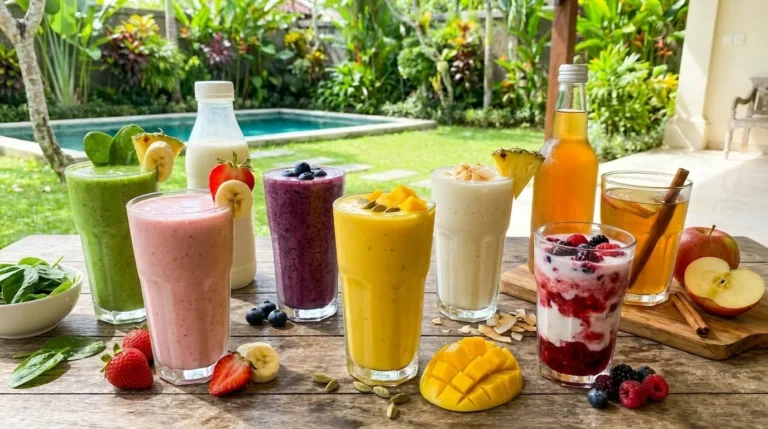
Top 5 Fortified Drinks for Kids : A Nutritious Start to the Day
Fortified drinks for kids are beverages enriched with essential nutrients like calcium, vitamin D, iron, zinc, and protein that aren’t sufficiently present in the base liquid. Here are the top 5 options and what each delivers:
| Drink | Key Nutrients | Best For | Prep Time |
|---|---|---|---|
| Fortified Milk | Calcium, Vitamin D, Omega-3 | Bone strength + brain development | 0 min |
| Plant-Based Milk | Calcium, Vitamin D, B12 | Dairy-free kids + immunity | 0 min |
| Fruit & Yogurt Smoothie | Protein, Vitamins A/C/E, Fiber | Energy + digestion | 5 min |
| Fortified Juice | Vitamin C, Calcium, Vitamin D | Immunity + bone health | 0 min |
| Homemade Protein Shake | Protein, Iron, Healthy Fats | Post-school recovery + growth | 5 min |
Because getting kids to eat a balanced breakfast is one battle. Getting them to drink something nutritious without a negotiation is another. These five options were chosen because they work on both fronts — they taste like a treat, they take under 5 minutes, and they cover the nutrient gaps most kids’ diets are missing. Pick two, rotate them, batch-prep the smoothie packs on Sunday. Done.
Table of Contents

💡 Noah’s Tip
“Always check the label when buying fortified milk or plant-based alternatives — not all brands are equally fortified. Look for at least 20% DV calcium, 15% DV vitamin D, and ideally added B12 if it’s a plant-based option. The fortification level varies enormously between brands, and the difference matters for growing kids.”
🔪 Equipment You’ll Need
| Equipment | Purpose | Budget-Friendly Alternative |
|---|---|---|
| ⚡ Blender | Fruit & Yogurt Smoothies, Protein Shake, Berry Blast | Immersion blender works just as well |
| 🥄 Measuring cups and spoons | Consistent portions — especially for protein powder | Eyeball after a few tries — smoothies are very forgiving |
| 🫙 Freezer bags | Sunday smoothie pack prep for the whole week | Any ziplock bags work perfectly |
| 🥤 Fun cups with straws | Presentation matters — colorful straws increase acceptance | Any cup — colored straws cost $2 and make a real difference |
| 🫙 Airtight bottles | Store leftover smoothies up to 24 hours in the fridge | Any bottle with a tight lid |
⏱️Prep Time
5-10 minutes, depending on the drink
🍽️Servings
1-2 servings per drink
🛒Ingredients
Here are the versatile ingredients you can mix and match for these fortified drinks:
- Milk (dairy or plant-based)
- Fresh or frozen fruits (bananas, berries, mango, etc.)
- Fortified cereals or powders
- Yogurt (plain or flavored)
- Natural sweeteners like honey or maple syrup
🌟Benefits
Fortified drinks are loaded with essential nutrients:
- Calcium and Vitamin D: Support bone and teeth strength.
- Iron and Zinc: Help boost energy and immunity.
- Vitamin A and Vitamin C: Aid in vision and healthy skin.
- Protein and Fiber: Keep kids fuller for longer and enhance digestion.
🥗 Dietary Adaptations
| Diet Type | Modification | Emoji |
|---|---|---|
| Dairy-Free | Replace Fortified Milk with oat, almond or soy milk — all naturally fortified with calcium and B12 | 🥥 |
| Lactose Intolerant | Use lactose-free cow’s milk — same fortification, zero discomfort | 🥛 |
| Nut-Free | Avoid almond milk — use oat milk or rice milk instead. All other options are naturally nut-free | 🌻 |
| Vegan | Skip Homemade Protein Shake with dairy protein powder — use pea protein + plant milk | 🫘 |
| Low-Sugar | Skip Fortified Juice — too high in natural sugar. Replace with fortified water or plain fortified milk | 🍓 |
| Under 12 months | No honey or maple syrup in smoothies. No cow’s milk under 12 months — use breast milk or formula as base | 👶 |

🧠 Pro Tip :
“For toddlers transitioning from formula to cow’s milk, fortified whole milk is the most complete option — the fat content is essential for brain development between ages 1-2. Don’t switch to reduced-fat milk before age 2 without pediatrician guidance.”
Top 5 Fortified Drinks for Kids
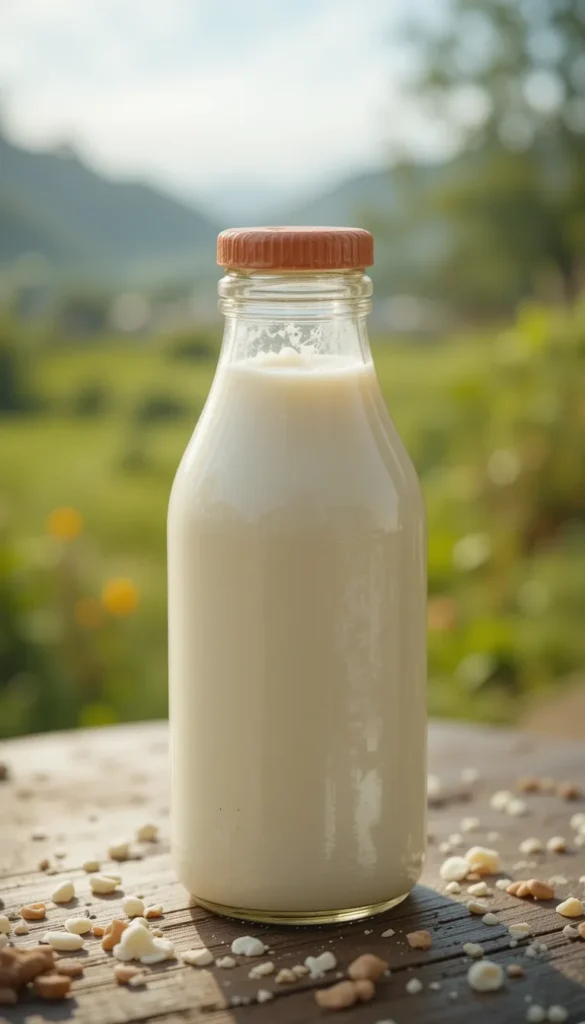
1. Fortified Milk
This classic option is enriched with calcium, vitamin D, and often omega-3s. Serve it plain or use it as a base for flavored drinks by blending with fruits.
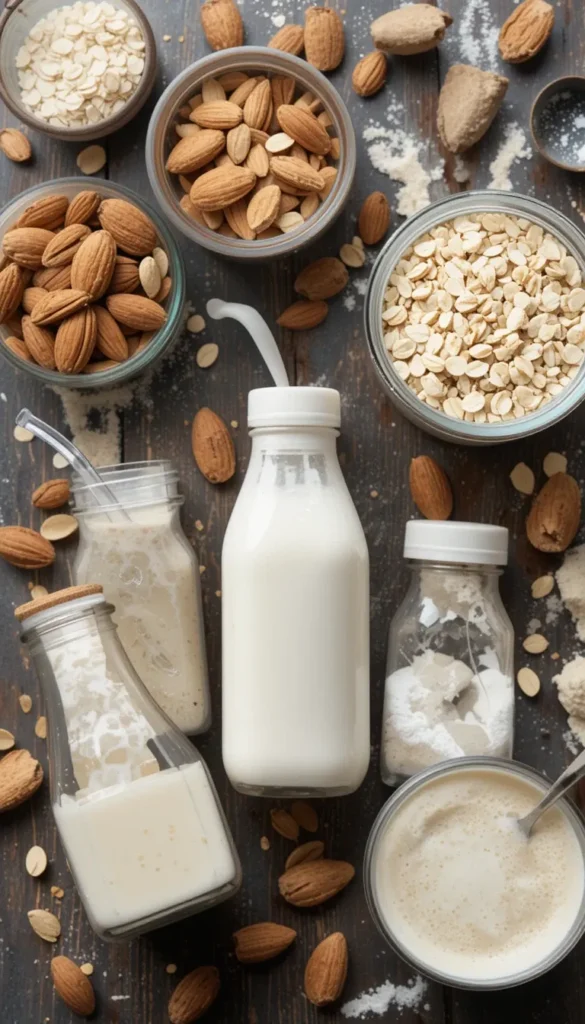
2. Plant-Based Milk Alternatives
Options like almond, oat, or soy milk are fortified with key nutrients like calcium, vitamin D, and B12. Perfect for kids who are lactose intolerant or avoid dairy.
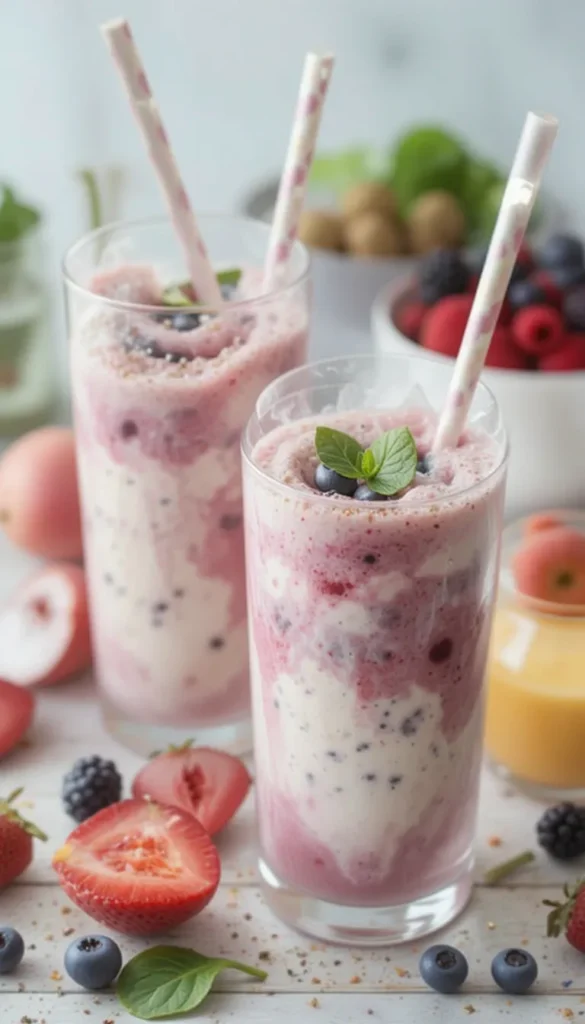
3. Fruit and Yogurt Smoothies
Combine fortified yogurt with fresh fruits and a splash of milk for a creamy, nutrient-packed drink. Add a handful of spinach for bonus vitamins!
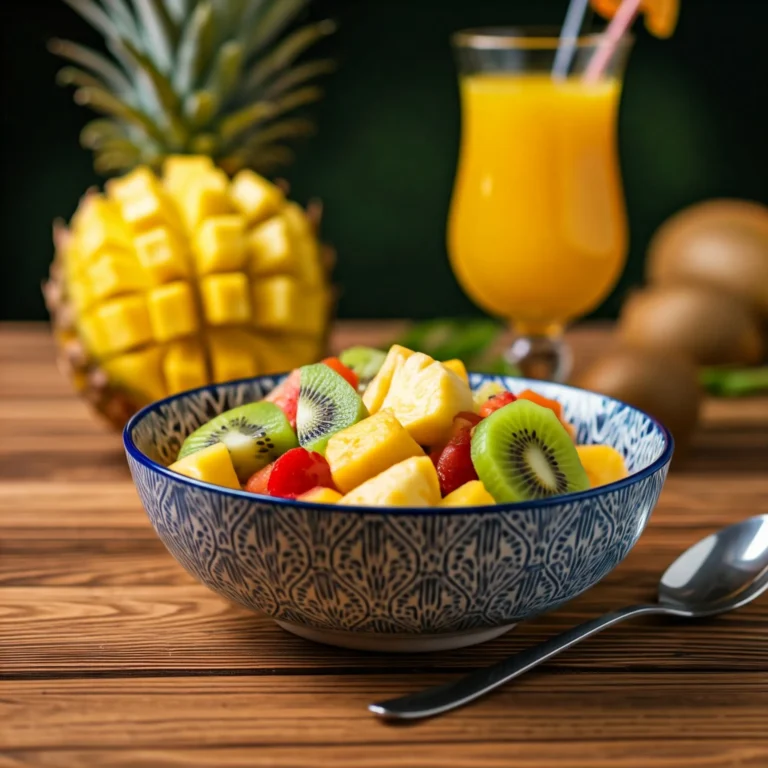
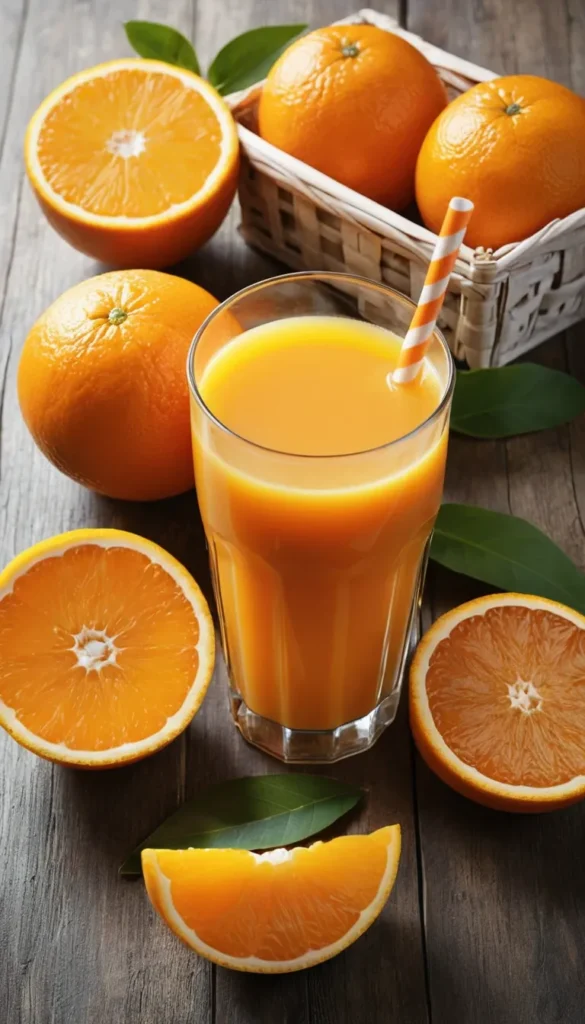
4. Fortified Juice
Choose 100% fruit juices fortified with calcium and vitamin D. Orange juice is a popular choice to pair with breakfast meals.
5. Homemade Protein Shakes
Blend kid-friendly protein powder with milk, a banana, and a spoonful of peanut butter for a filling, delicious breakfast option.

👩🍳Directions
- Choose your drink base—milk, plant-based milk, or yogurt.
- Add in fresh fruits, fortified powders, or cereals.
- Blend until smooth and creamy.
- Pour into a glass, serve immediately, and enjoy!
🧠Nutrition Information
| Drink Type | Key Nutrients Provided |
|---|---|
| Fortified Milk | Calcium, Vitamin D, Omega-3s |
| Plant-Based Milk | Calcium, Vitamin D, Vitamin B12 |
| Fruit and Yogurt Smoothies | Protein, Vitamins A, C, and E, Fiber |
| Fortified Juice | Vitamin C, Calcium, Vitamin D |
| Homemade Protein Shakes | Protein, Iron, Healthy Fats |
🧊Meal Prep and Storage Tips
Prepare smoothie ingredients in advance by portioning fruits and powders into freezer bags. When ready, just blend with milk or yogurt. Fortified drinks are best consumed fresh, but leftover shakes or smoothies can be stored in airtight containers in the fridge for up to 24 hours.
🔄Variations on Fortified Drinks
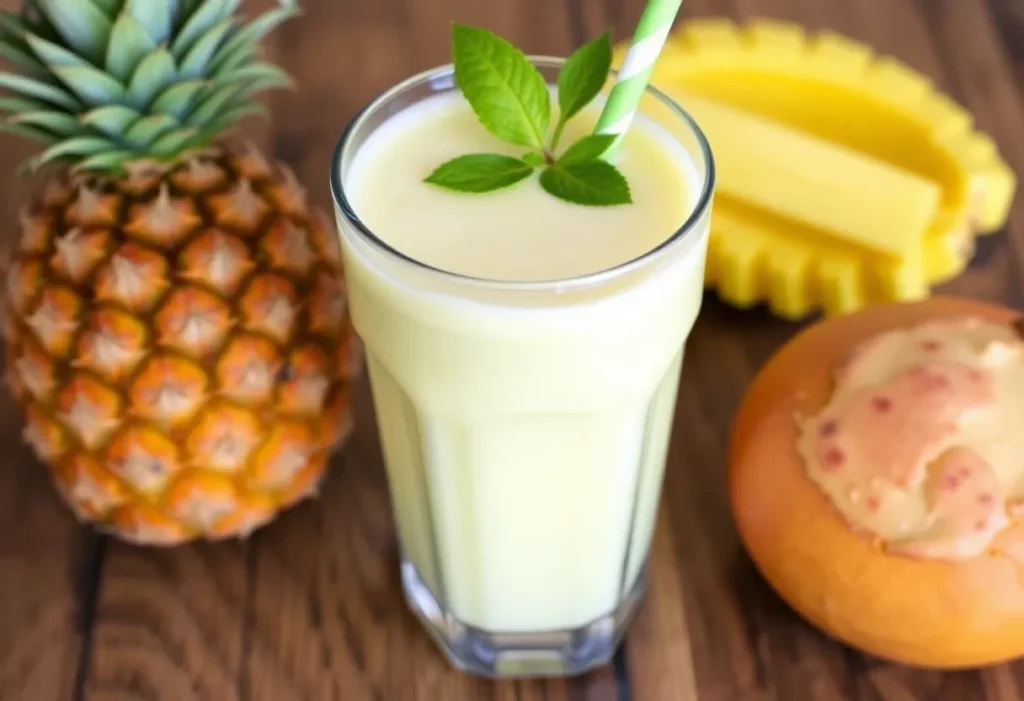
Tropical Smoothie
Blend pineapple, mango, and fortified coconut milk for a tropical twist.
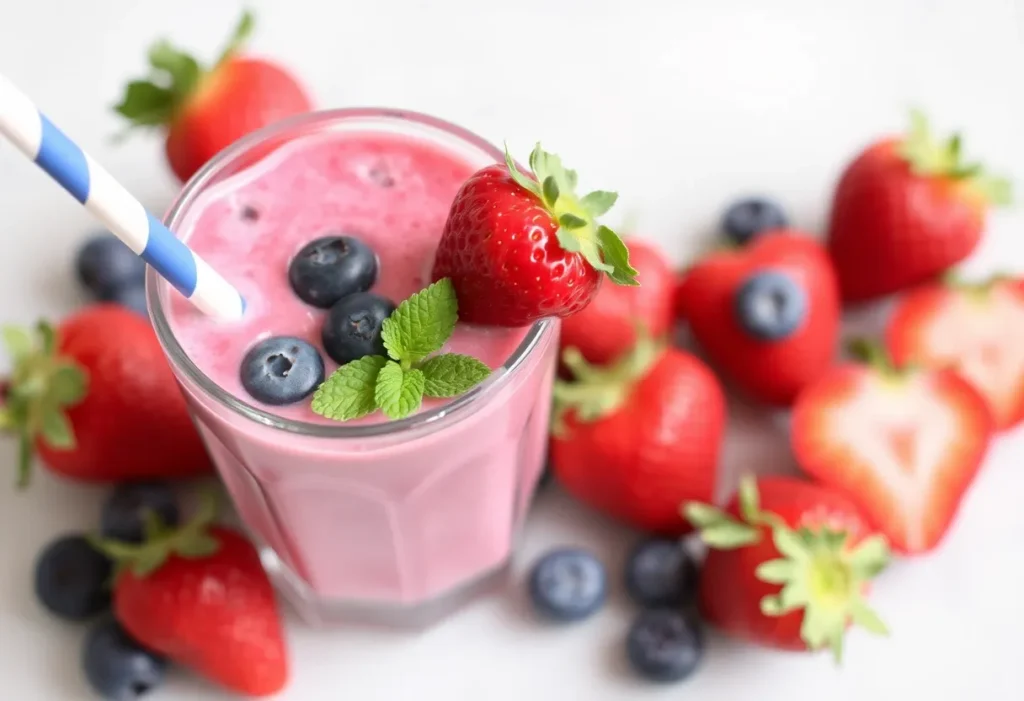
Berry Blast
Mix strawberries, blueberries, and fortified almond milk for a vibrant, antioxidant-packed drink.
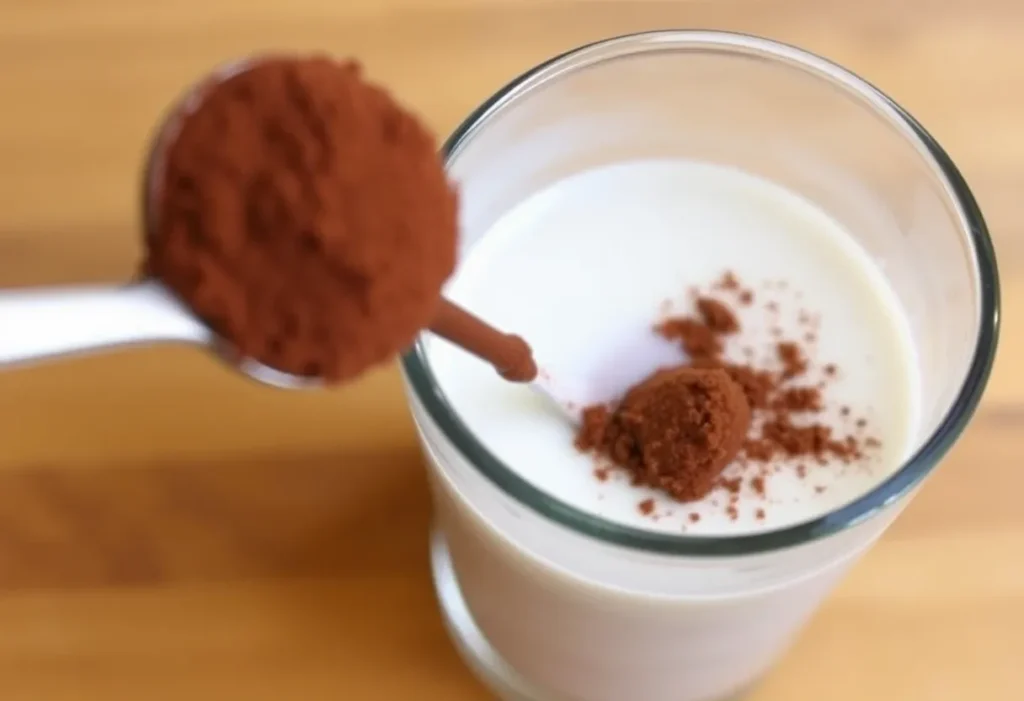
Chocolate Delight
Add a teaspoon of cocoa powder to fortified milk for a sweet, chocolaty treat.
🧒Why Kids Enjoy These Fortified Drinks ?
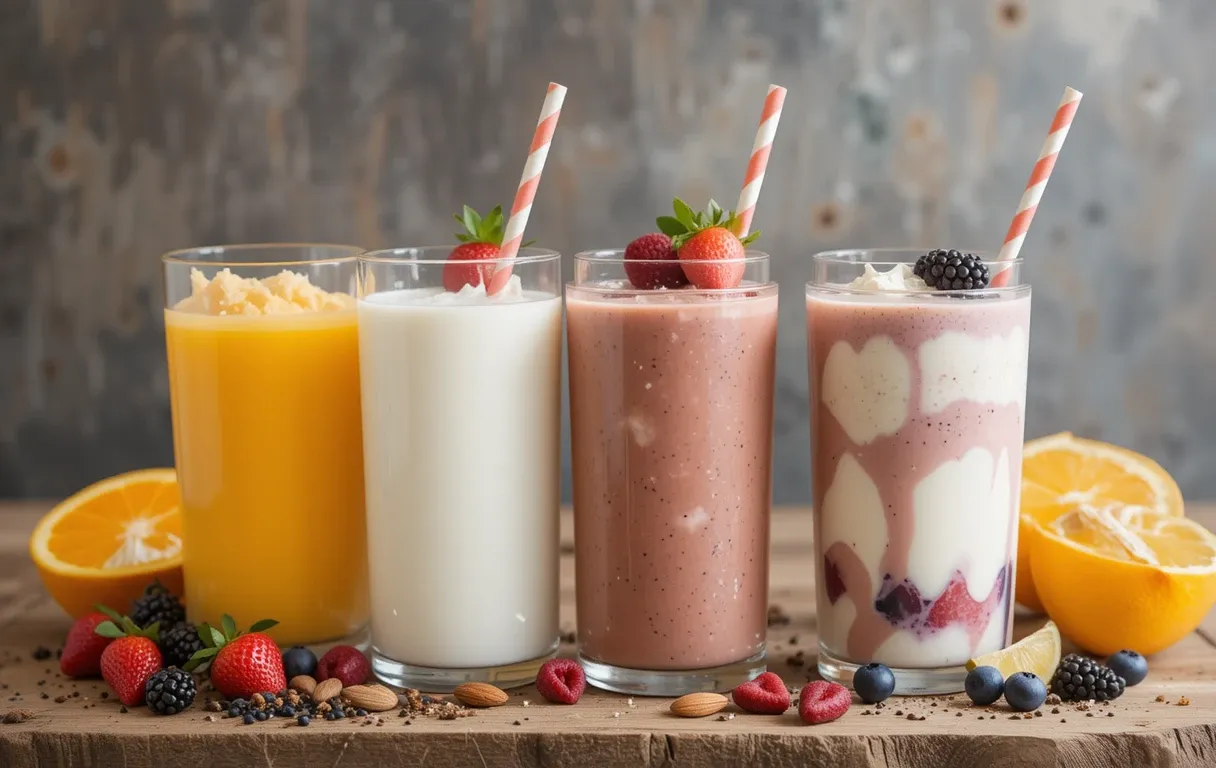
Kids love these drinks because they’re colorful, customizable, and taste amazing. They feel like a treat but pack a nutritious punch, making parents and kids equally happy. Plus, let them pick their favorite fruits or add a fun straw—it’s a win-win!
A Healthy and Delicious Breakfast Option
Fortified drinks are a quick and convenient way to kick off your kids’ day. Whether it’s a creamy smoothie, refreshing juice, or chocolaty protein shake, these drinks ensure your children get the nutrients they need to grow strong and stay energetic. Perfect for busy mornings or even after-school snacks!
👶 How to Serve These Drinks by Age
| Age Group | Best Options | Quick Tip |
|---|---|---|
| Babies 6-12m | Breast milk or formula only — no fortified drinks yet | Introduce fortified whole milk after 12 months per AAP guidelines |
| Toddlers 12-24m | Fortified whole milk (2 cups/day max) | No plant-based milk as primary drink under 2 — insufficient fat for brain development |
| Preschoolers 2-5y | Fortified Milk, Plant-Based Milk, Fruit Smoothie | Max 4oz juice per day. Smoothie counts as a fruit serving |
| Early School 6-8y | All 5 options | Homemade Protein Shake post-school is ideal for active kids |
| Tweens 9-12y | Protein Shake, Fortified Milk, Berry Blast variation | Calcium needs peak at 9-18 years — 1,300mg/day. Two servings of fortified milk covers 60% |
😤 Picky Eater Strategy
- Start with Fortified Milk — the most familiar format on this list. Add a drop of vanilla extract for a natural sweetness boost without added sugar
- The Fruit and Yogurt Smoothie wins picky eaters over when served in an opaque cup with a fun straw — what they can’t see, they’ll happily drink
- Homemade Protein Shake: blend with chocolate protein powder and a frozen banana — it tastes like a milkshake and delivers 20g+ protein
- Fortified Juice served in a small portion (4oz max) feels like a special treat — use it as a weekend breakfast bonus, not a daily staple
- Let kids choose their smoothie add-ins from small bowls — a berry here, a banana there. Ownership at the blender = zero resistance at the table
- The Chocolate Delight variation (cocoa + fortified milk) is the gateway drink for kids who refuse plain milk — same calcium, same vitamin D, zero battle
🎥Added Bonus
Pair these fortified drinks with whole-grain toast, eggs, or fruit slices for a balanced breakfast that fuels your child’s body and mind throughout the day.
🧾Related Recipes
👉 10 High-Fiber Breakfasts for Kids
👉 7 Kid-Friendly Probiotic Drinks
🧠 Brain-Boosting picks that pair perfectly with these drinks:
👉 The After-School Brain Recharge Smoothie
👉 Golden Scrambled Eggs with Grass-fed Butter
🧑Conclusion
Fortified drinks for kids aren’t about replacing real food — they’re about filling the gaps that even good diets leave behind. Vitamin D, calcium, B12, and iron are consistently the four nutrients most children fall short on. These five drinks address all four in formats kids actually drink without a battle.
The system is simple: fortified milk or plant-based milk as the daily staple, a smoothie two or three mornings a week, and a protein shake post-school on active days. Sunday prep of smoothie bags takes 15 minutes and covers the whole week. That’s the whole plan.
Tried one of these fortified drinks with your kids? Drop a comment below and tell us which one became the household favorite — we read every single one. 👇
❓ FAQs
Are fortified drinks necessary if my child eats a balanced diet?
Not strictly necessary — but practically useful. Even children eating a balanced diet often fall short on vitamin D (70% of American kids are deficient per NHANES data) and calcium during peak growth years. Fortified drinks fill the gap efficiently without adding meal complexity. Think of them as nutritional insurance, not a replacement for whole foods.
Is fortified juice healthy for kids?
In moderation — yes. The American Academy of Pediatrics recommends limiting to 4oz/day for ages 1-3 and 4-6oz/day for ages 4-6. Choose 100% fruit juice fortified with calcium and vitamin D. Avoid juice drinks, cocktails, or anything less than 100% juice — they’re essentially sugar water with minimal nutritional benefit.
Which plant-based milk is best for kids?
Soy milk is the closest to cow’s milk in protein content (7-8g per cup) and is usually the most comprehensively fortified. Oat milk is the most allergen-friendly option. Almond milk is the lowest in protein (1g per cup) and shouldn’t be a primary milk source for young children. Always choose unsweetened, fortified versions — the difference in added sugar between brands is significant.
Can I make fortified drinks at home instead of buying them?
Yes — and homemade is often better. A Fruit and Yogurt Smoothie made with fortified yogurt and plant milk delivers calcium, vitamin D, protein, and probiotics in one drink. The Homemade Protein Shake gives you full control over ingredients with zero additives. The only exception is vitamin D fortification — it’s difficult to replicate at home, so pairing homemade drinks with D-fortified milk or yogurt covers the gap.
How much milk should kids drink per day?
Per AAP guidelines: toddlers 12-24 months need 2 cups (16oz) of whole milk per day. Ages 2-5 need 2-2.5 cups per day. Ages 6-12 need 2.5-3 cups per day. More than 3 cups daily can reduce appetite for iron-rich foods — balance matters. Plant-based fortified milks count toward this total when calcium-fortified to equivalent levels.